Thinking about selling your home in Kailua-Kona? In a market where homes are taking longer to sell than they did a year ago, a successful sale usually comes down to smart prep, accurate pricing, and steady guidance from start to finish. If you want to avoid costly surprises and make confident decisions, this step-by-step guide will show you what matters most and how to move forward with clarity. Let’s dive in.
Start With the Market Reality
Selling in Kailua-Kona starts with understanding the pace of the current market. Redfin’s March 2026 data showed a median sale price of $599,500, median days on market of 124, and about one offer per home.
That slower pace matters. Redfin also reported that homes were taking 124 days to sell on average, compared with 86 days a year earlier, and the U.S. median was 55 days in March 2026. For you as a seller, that means a strong launch and realistic pricing matter more than hoping the market will do the work for you.
Build Your Selling Plan Early
The best sales usually start before the home goes live. In Kailua-Kona, that means giving yourself enough time to prepare the property, gather documents, and make decisions about pricing and timing.
This early planning stage is also where a local listing agent can add real value. The research shows sellers often rely on agents to reach more buyers and price more competitively, which becomes even more important in a market where homes are not moving fast.
Know what your agent should help with
In Kailua-Kona, the highest-value listing tasks usually include:
- Setting a price based on current local comparable sales
- Helping you choose prep items worth doing before listing
- Assembling the Hawaii disclosure packet
- Managing showings and offer timing
- Keeping disclosure records organized
- Coordinating escrow through final recording
If you are selling from the mainland or managing a second home, this hands-on help can be especially important. A concierge-style approach can make the process feel much more manageable.
Price Your Home for Today’s Kona Market
Pricing is one of the biggest decisions you will make. In a slower market, overpricing can cause a listing to sit, which may lead buyers to wonder whether something is wrong with the property.
A strong price should reflect current local comps, not just your goal number or a past peak in the market. With about one offer per home in Kailua-Kona, pricing too aggressively can reduce early interest instead of creating competition.
Why realistic pricing matters
When homes take longer to sell, your first impression matters more. Buyers watch new listings closely, and the first days on the market are often your best chance to attract serious attention.
That is why pricing should support your launch, not fight against it. A well-priced home paired with strong presentation gives you a better chance to generate interest from the right buyers.
Focus on Prep That Pays Off
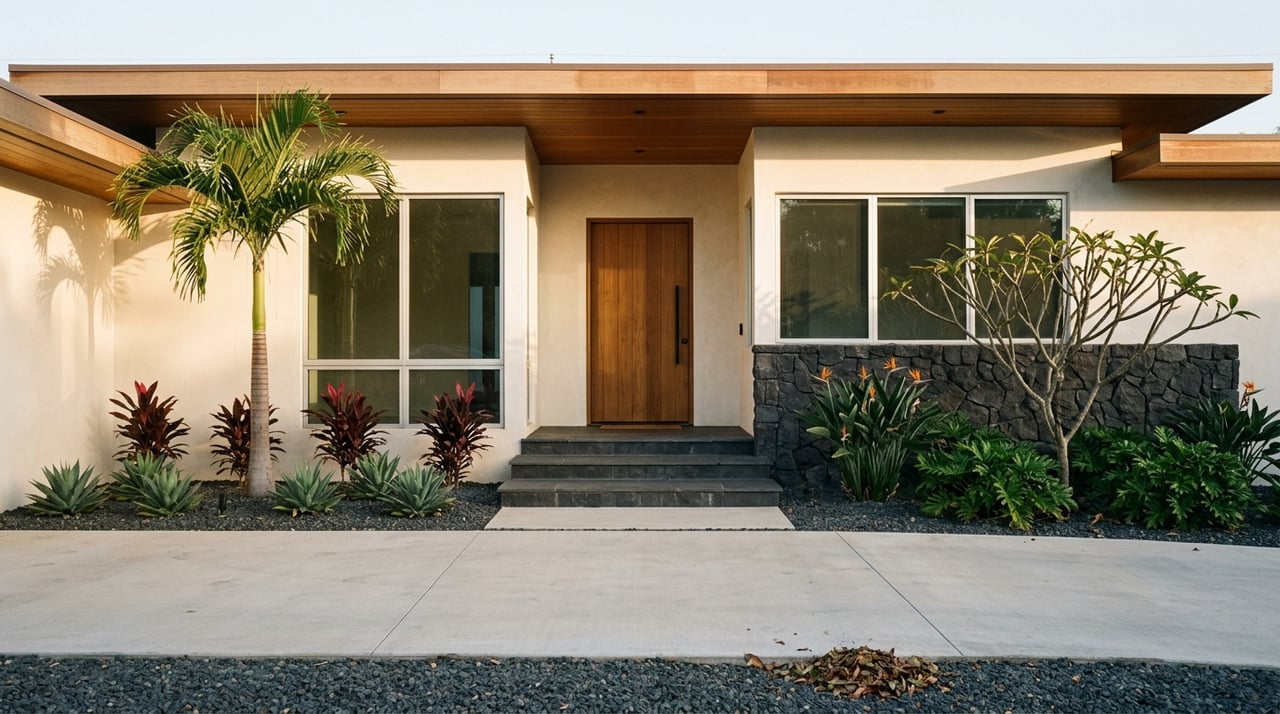
Before you list, focus on improvements that help buyers picture themselves in the home. The 2025 Profile of Home Staging found that the most common seller recommendations were decluttering, whole-home cleaning, improving curb appeal, professional photos, and minor repairs.
That same report found that 83% of buyers’ agents said staging made it easier for buyers to visualize a property. It also found that 29% of sellers’ agents said staging increased the dollar value offered by 1% to 10%.
Prioritize the basics first
You do not need to start with a major remodel. In most cases, practical presentation work offers a better payoff than taking on a large renovation right before listing.
Start here:
- Declutter each room
- Deep clean the whole home
- Handle minor repairs
- Refresh exterior appearance
- Schedule professional listing photos
These steps can help your home feel more move-in ready and more appealing online, which is where many buyers first decide whether to book a showing.
Highlight Features That Fit Kona Living
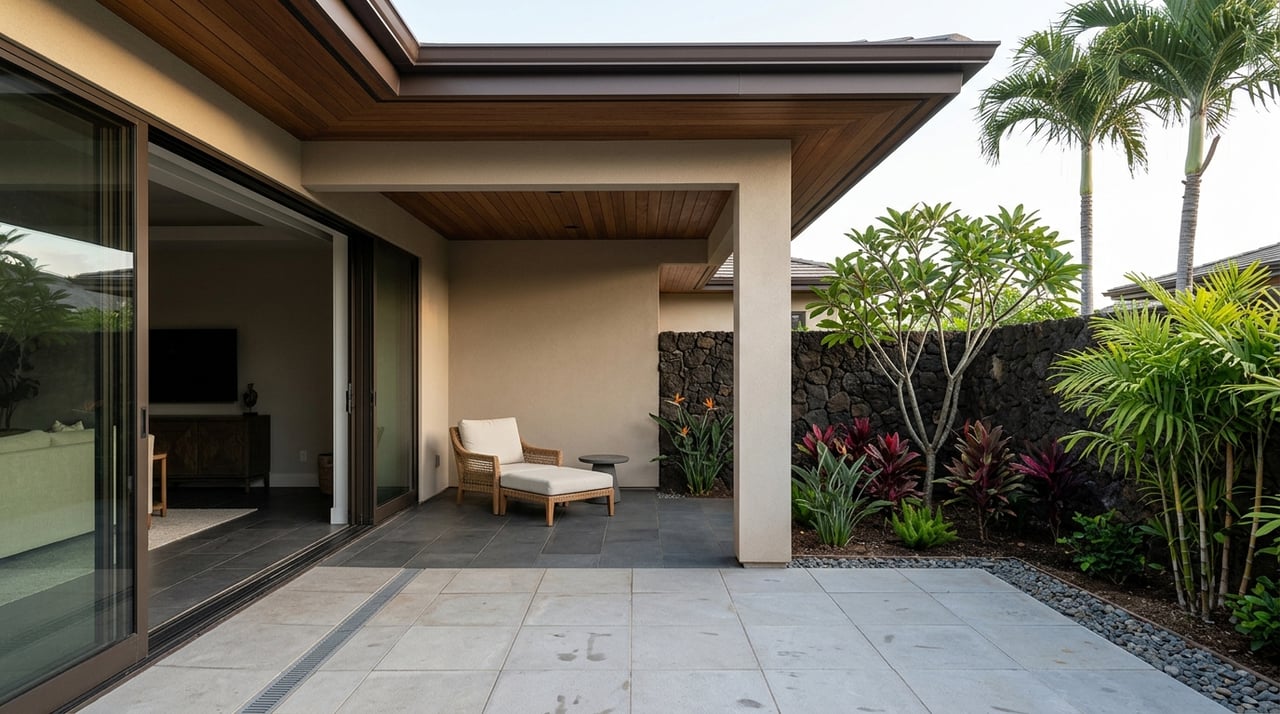
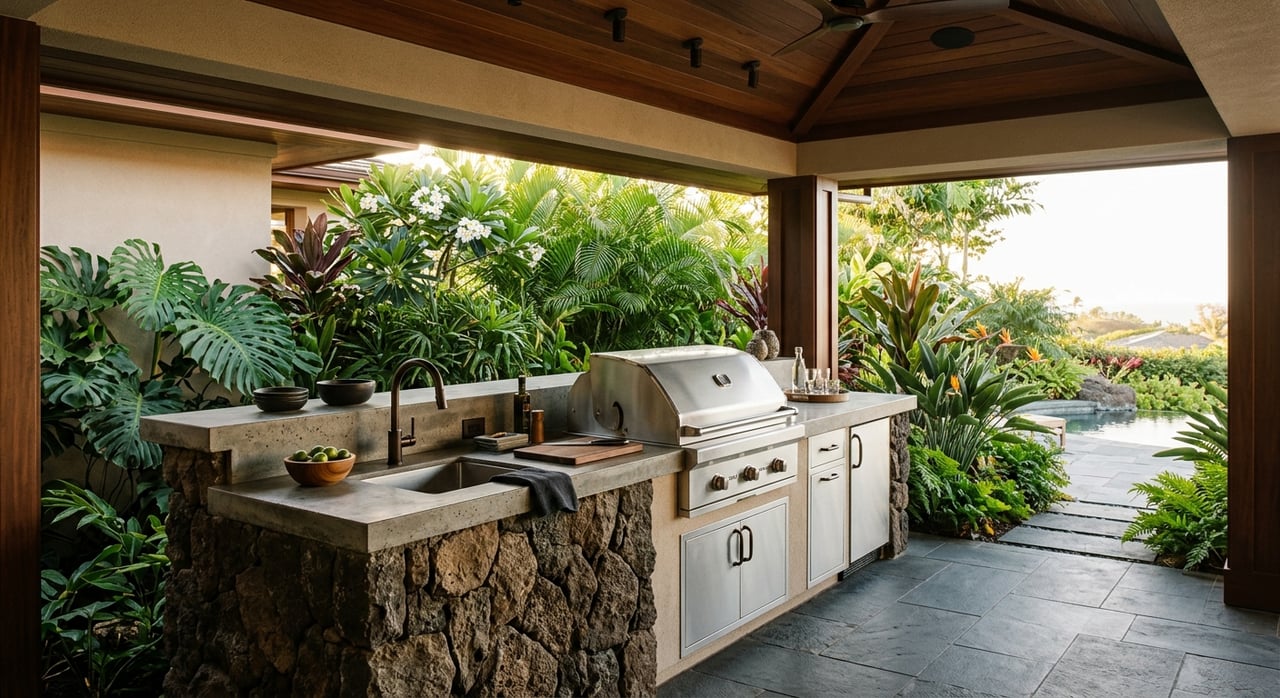
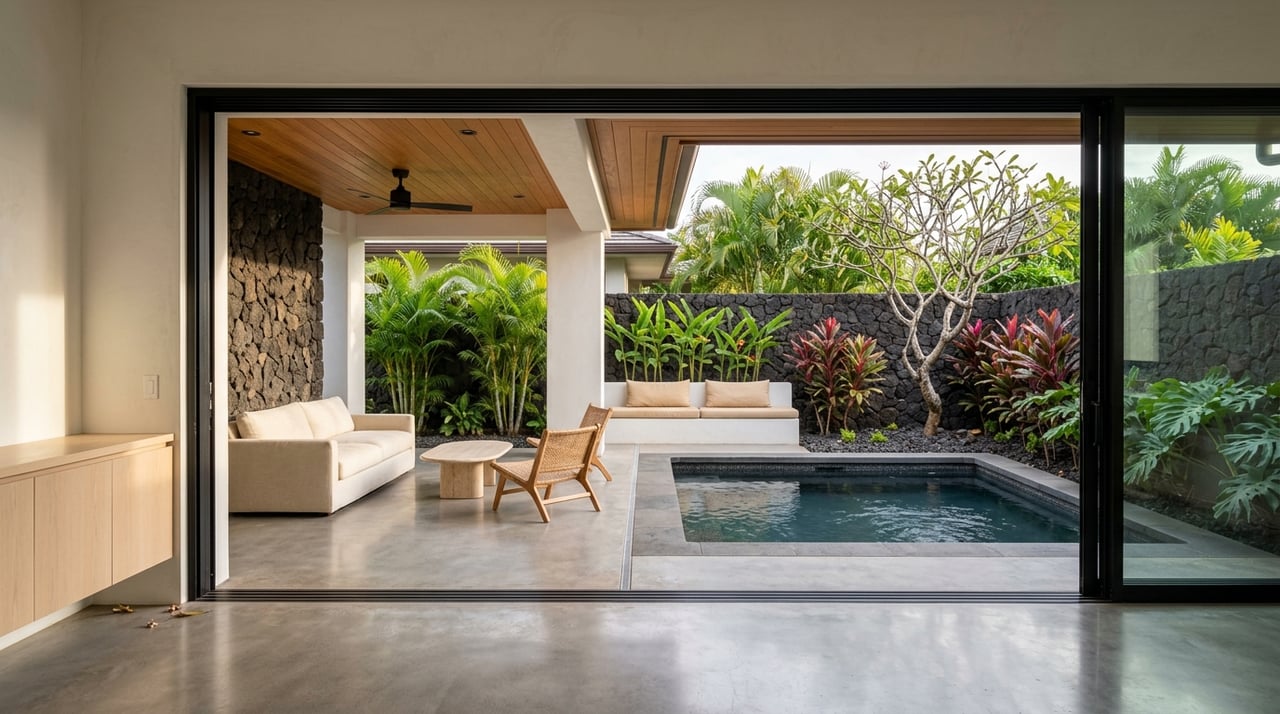
In Kailua-Kona, buyers may respond well to features that support comfort, function, and indoor-outdoor living. Redfin’s spring 2026 home trends connected stronger sale-to-list performance with features such as storage, step-in showers, resort-style elements, open-concept living, lanais, covered decks, gated community settings, and similar indoor-outdoor features.
That does not mean every home needs every feature. It means your marketing should spotlight the features your property already has that match how people live in Kona.
Features worth emphasizing in your listing
Depending on your property, your listing may benefit from highlighting:
- Lanai or covered outdoor living areas
- Open-concept main spaces
- Functional storage
- Step-in showers
- Indoor-outdoor flow
- Resort-style design elements
- Covered deck space
- Gated community location, if applicable
A smart listing strategy focuses on livability and function, not just cosmetic updates. That can be especially helpful in a market where buyers have more time to compare options.
Gather Hawaii Disclosure Documents
Hawaii has specific seller disclosure rules, and it is important to prepare these early. If your property is subject to a recorded declaration, Hawaii law requires you to provide association documents, bylaws, the declaration, and related rules.
This can be especially relevant for condo and community properties in Kailua-Kona. Coastal properties may also trigger added disclosure issues, so it helps to identify those details well before you accept an offer.
Watch for location-specific disclosures
Under Hawaii law, extra notices may be required if the property is in or affected by certain areas or conditions, including:
- Flood hazard areas
- Airport-noise areas
- Military air installation zones
- Tsunami inundation areas
- Sea-level-rise exposure areas
If a home is adjacent to the shoreline, the seller must also disclose erosion-control structures and related violations or fines. These are not details you want to discover at the last minute.
Understand Hawaii’s Disclosure Timeline
Hawaii’s timing rules are specific, so organization matters. The seller disclosure statement must be signed within six months before or ten calendar days after acceptance of a purchase contract, and it must be delivered to the buyer no later than ten calendar days after acceptance.
After the buyer receives it, the buyer has fifteen calendar days to examine the statement and decide whether to rescind. If the buyer rescinds within that period, deposits are immediately returned.
Keep records accurate and current
If material facts are later discovered before recordation and they directly and substantially affect value, an amended disclosure may be required. The disclosure statement is the seller’s representation, not the seller’s agent’s.
At the same time, if the seller’s agent becomes aware of material facts that conflict with the disclosure or a third-party inspection report, the agent must disclose them to the seller, buyer, and buyer’s agent. Receipts for the disclosure statement must be kept for three years, which is another reason careful recordkeeping matters.
Prepare for Showings and Offers
Once your home is listed, your goal is to make it easy for buyers to picture the property clearly and act with confidence. That means keeping the home show-ready and making sure your marketing reflects the features that matter most in Kona.
As interest comes in, offer management becomes important. In a market with fewer competing offers, you may need to weigh not just price, but also timing, contingencies, and the buyer’s overall ability to close.
Know How Escrow and Closing Work in Hawaii
In Hawaii, escrow plays a central role in moving the sale forward. Escrow acts as a neutral third party that holds funds and documents, coordinates reports, loan commitments, deeds, and approvals, and handles prorations, title insurance, and recording.
During closing, settlement agents may also allocate charges such as title insurance, escrow fees, transfer taxes, recording fees, and loan-related costs. They also prorate items such as property taxes and HOA dues.
Closing is not finished until recording
In Hawaii, the transaction is complete only after the deed is recorded. The Bureau of Conveyances is the statewide recording office, and Hawaii uses a single statewide recording system.
That means closing is more than signing documents. Several moving parts have to line up correctly before recordation can happen.
Flag Tax Issues Early
Some tax-related items should be addressed early in the process, not at the very end. Hawaii’s Department of Taxation maintains separate conveyance tax forms, including P-64A and P-64B.
There is also a separate HARPTA forms set for nonresident sellers, including Forms N-288, N-288A, N-288B, N-288C, and N-289. If you are a mainland owner, absentee owner, or selling a second home, it is wise to identify these requirements early with your escrow and transaction team.
Why Local Guidance Matters in Kona
Selling in Kailua-Kona is not just about putting a home on the market. You need a pricing strategy built on current comps, prep that supports buyer interest, disclosures handled on time, and steady coordination through escrow and recording.
That is where local, relationship-first support can make a real difference. Whether you are selling a primary home, a condo, a vacant lot, or a second home from off-island, clear guidance helps you stay organized and avoid delays.
If you are getting ready to sell in Kailua-Kona, working with a team that understands the local market and keeps the process personal can help you move forward with confidence. For warm, hands-on guidance from our ohana to yours, reach out to Jonathan Kiger.
FAQs
How long does it take to sell a home in Kailua-Kona?
- Redfin’s March 2026 data showed median days on market of 124 in Kailua-Kona, so sellers should plan for a slower pace than many mainland markets.
What home features matter when selling a Kailua-Kona property?
- Redfin’s spring 2026 trends linked stronger sale-to-list performance with features such as lanais, covered decks, open-concept living, storage, step-in showers, and indoor-outdoor design.
What prep should sellers prioritize before listing a home in Kailua-Kona?
- Common high-impact steps include decluttering, deep cleaning, improving curb appeal, completing minor repairs, and using professional photos.
What disclosures are required when selling property in Hawaii?
- Hawaii sellers may need to provide a seller disclosure statement, association documents for properties under a recorded declaration, and added notices for issues such as flood hazard, tsunami inundation, sea-level-rise exposure, airport noise, or shoreline-related conditions.
When does a Hawaii seller have to deliver the disclosure statement?
- Hawaii law requires the disclosure statement to be delivered to the buyer no later than ten calendar days after acceptance of a purchase contract.
How does closing work for a Kailua-Kona home sale?
- In Hawaii, escrow coordinates funds, documents, approvals, prorations, title insurance, and recording, and the sale is complete only after the deed is recorded.