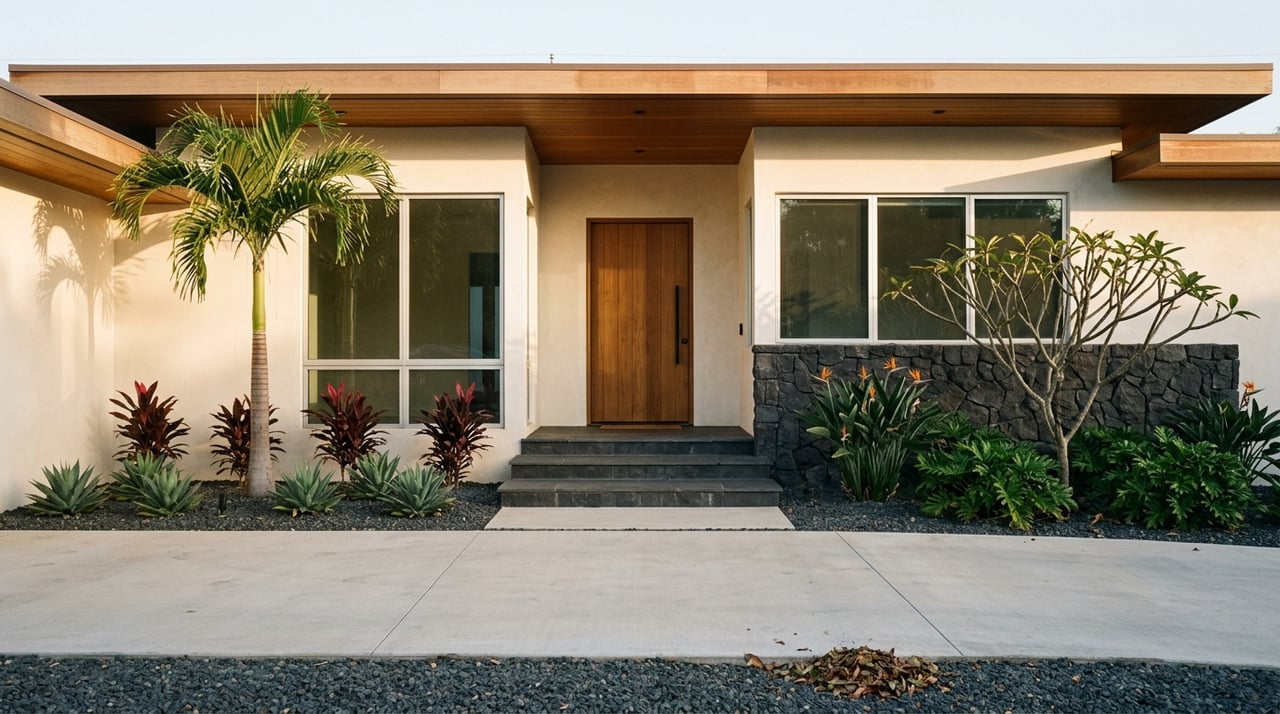
Thinking about trading mainland routines for life in Kailua-Kona? The move can be exciting, but it also comes with a learning curve that is very different from relocating between two mainland cities. If you are planning a move to Kona, it helps to know what daily life, property research, and ownership costs really look like before you buy. Let’s dive in.
Kailua-Kona feels different block by block
One of the first things many mainland buyers notice is that Kailua-Kona is not one single, uniform area. The Kona Community Development Plan covers a broad region that stretches through North Kona and into South Kona, which means the place people casually call “Kona” includes multiple submarkets, elevations, and property types.
That matters because your day-to-day experience can change a lot depending on where you land. A home close to town may feel very different from a property farther upslope or along the shoreline. When you start your search, it helps to think in terms of micro-locations instead of assuming every Kailua-Kona address offers the same lifestyle.
Kona weather is warm and relatively dry
If you are moving from much of the mainland, the climate may be one of the biggest changes. NOAA climate normals for the Kailua Kona Ke-Ahole Airport station show a 1991 to 2020 mean temperature of 78.2°F and annual precipitation of 7.1 inches.
In simple terms, many new residents experience Kona as warm, sunny, and fairly dry. That can be a big lifestyle shift if you are used to colder winters, seasonal storms, or frequent rain. It also affects what you wear, how you use outdoor space, and what kind of home features may matter most to you.
Expect a car-centered routine
Many mainland movers picture island life as more compact and walkable than it really is. In Kailua-Kona, a car is often part of everyday life, especially if you want flexibility for errands, home tours, appointments, and beach or upland drives.
Ellison Onizuka Kona International Airport at Keahole is about seven miles northwest of Kailua-Kona and serves a wide range of flights, including domestic and international service. The airport also notes that Hele-On bus service between the airport and town is very limited, so many new residents should plan around a car-centered routine.
A Kona address does not tell you everything
From the mainland, it is easy to focus on photos, views, and distance to the ocean. In Kona, you also want to understand the parcel itself. Two homes with similar mailing addresses can have very different zoning, infrastructure, and development limits.
Hawaii County planning resources include TMK maps, zone maps, a coastal zone viewer, and a county hazard impact map. North Kona falls within zones 7 and 8 on county zone maps, which is a good reminder that parcel-specific research matters, even within the same general area.
Shoreline and coastal rules matter
If you are drawn to an oceanfront or shoreline-adjacent property, do not stop at the view. Hawaii County says lots abutting the shoreline generally have a minimum 40-foot shoreline setback, and Special Management Area review may be required for development in the coastal zone.
That does not mean a coastal property is off the table. It does mean you should understand what you can and cannot do with the lot before making plans for additions, rebuilding, or major exterior work. This is one reason local guidance can be especially valuable when you are buying from afar.
Lava zone research should be part of your search
Mainland buyers often begin with priorities like ocean views, privacy, or drive time to town. Those are important, but on Hawaiʻi Island, lava-flow hazard zones are another key piece of due diligence.
The U.S. Geological Survey says Hawaiʻi Island is divided into lava-flow hazard zones based on relative risk, and Hawaiian Volcano Observatory notes that those boundaries are approximate and gradational. Before you get too attached to a property, it is smart to confirm the parcel’s lava zone and understand how that fits into your comfort level and planning.
Wastewater systems can vary by property
One of the biggest surprises for mainland buyers is how much infrastructure can vary from parcel to parcel. Some properties are connected to county sewer, while others rely on onsite wastewater systems.
This is important because the Hawaiʻi Department of Health says new cesspools are prohibited and existing cesspools must be replaced by 2050. Hawaii County also states that owners of buildings accessible to sewer are required to connect within 180 days after official notice. If you are comparing homes, be sure to ask early about sewer service, septic systems, or any existing cesspool obligations.
Property taxes and ownership costs may surprise you
Many buyers focus first on purchase price, then discover that the full cost of ownership needs a closer look. Hawaii County’s Real Property Tax Division assesses property at fair market value, and county code sets a minimum real property tax of $200 per parcel, with some lower minimums in limited exemption cases.
Beyond taxes, general living costs may also feel higher than what you are used to. The U.S. Bureau of Economic Analysis placed Hawaiʻi’s 2024 regional price parity at 110.0, meaning the state’s overall price level was 10% above the U.S. average. While that is a statewide measure, it is a useful budgeting reality check for mainland buyers preparing for Kona life.
Do not assume you qualify for a home exemption
If you are buying a full-time residence, this is an important item to understand. Hawaii County’s home exemption applies to property that is owned and occupied as a principal home, and the county defines that as a true, fixed, permanent home with county residency and physical occupancy.
That means a second home or vacation-use property generally should not be assumed to qualify. If your plan is to split time between the mainland and Hawaiʻi, or keep the home primarily for seasonal use, make sure you understand how that affects your ownership costs.
Rental plans need careful tax planning
Some mainland buyers want flexibility to use the property personally and rent it at other times. If that is your plan, you need to understand Hawaiʻi’s rental tax rules before you buy.
The Hawaiʻi Department of Taxation says rentals of less than 180 consecutive days are transient accommodations subject to the transient accommodations tax. Long-term rentals are not subject to TAT, but they are still subject to Hawaiʻi income tax and the general excise tax. Hawaii County also imposes a 3% county TAT on taxable short-term rental proceeds.
Families should verify school assignments by address
If you are moving with children, school research should be address-specific. Hawaiʻi DOE provides a school finder to verify attendance boundaries and also offers geographic exceptions.
In the Kona area, official public schools include Kealakehe Elementary, Kealakehe Intermediate, Kealakehe High, and Konawaena High within the Honokaʻa-Kealakehe-Kohala-Konawaena complex area. The key takeaway is simple: verify the school tied to the parcel instead of relying on a neighborhood name or a listing description.
A scouting trip should focus on practical details
If you are flying in from the mainland to narrow down options, try to go beyond the usual showing checklist. The most useful in-person checks often include parcel location, slope, access, airport and town drive times, shoreline or coastal exposure, wastewater system type, and whether the property fits your intended use as a principal home or second home.
These details often shape your long-term budget and timeline more than listing photos can show. A beautiful view is important, but so is understanding how the property functions in real life.
Local support makes remote buying easier
Remote purchases can work well in Kona when you have strong local support. County offices that matter during a purchase, including planning, property tax, and wastewater, all have Kailua-Kona access points or offices in West Hawaiʻi.
That makes it more practical to get on-the-ground answers without having to fly back for every question. For mainland buyers, this can mean faster follow-up on TMKs, zoning, sewer status, and permit-related research while your purchase is moving forward.
Why local guidance matters in Kailua-Kona
Kona real estate is not just about finding a home you like. It is about matching your goals to the right micro-market, checking the parcel details, understanding ownership costs, and making sure the property works for the way you plan to live.
That is especially true if you are buying from the mainland, considering land, or looking at a second home or investment property. A local, relationship-first team can help you stay organized, ask better questions, and avoid assumptions that are common in long-distance purchases.
If you are planning a move to Kailua-Kona and want hands-on local guidance, connect with Jonathan Kiger for a personalized conversation about your next steps.
FAQs
What is the weather like when moving to Kailua-Kona from the mainland?
- Kailua-Kona is generally experienced as warm, sunny, and relatively dry, with NOAA climate normals showing a mean temperature of 78.2°F and annual precipitation of 7.1 inches at the Kona airport station.
Do you need a car after moving to Kailua-Kona?
- In many cases, yes. The Kona airport notes that bus service between the airport and town is very limited, so many residents rely on a car for daily life.
What should buyers check before purchasing a home in Kailua-Kona?
- Buyers should review parcel-specific details such as TMK maps, zoning, coastal exposure, lava-flow hazard zone, wastewater system type, and drive times to town and the airport.
Are all Kailua-Kona properties on sewer?
- No. Some properties are connected to county sewer, while others use onsite systems, so wastewater service should always be confirmed for the specific parcel.
Can a second home in Kailua-Kona qualify for a home exemption?
- Generally, buyers should not assume that. Hawaii County’s home exemption is for a principal home that is owned and occupied as a true, fixed, permanent home with county residency and physical occupancy.
What should families know about schools in Kailua-Kona?
- Families should verify the assigned public school by the property address using Hawaiʻi DOE’s school finder, because attendance boundaries should not be assumed based only on neighborhood names.