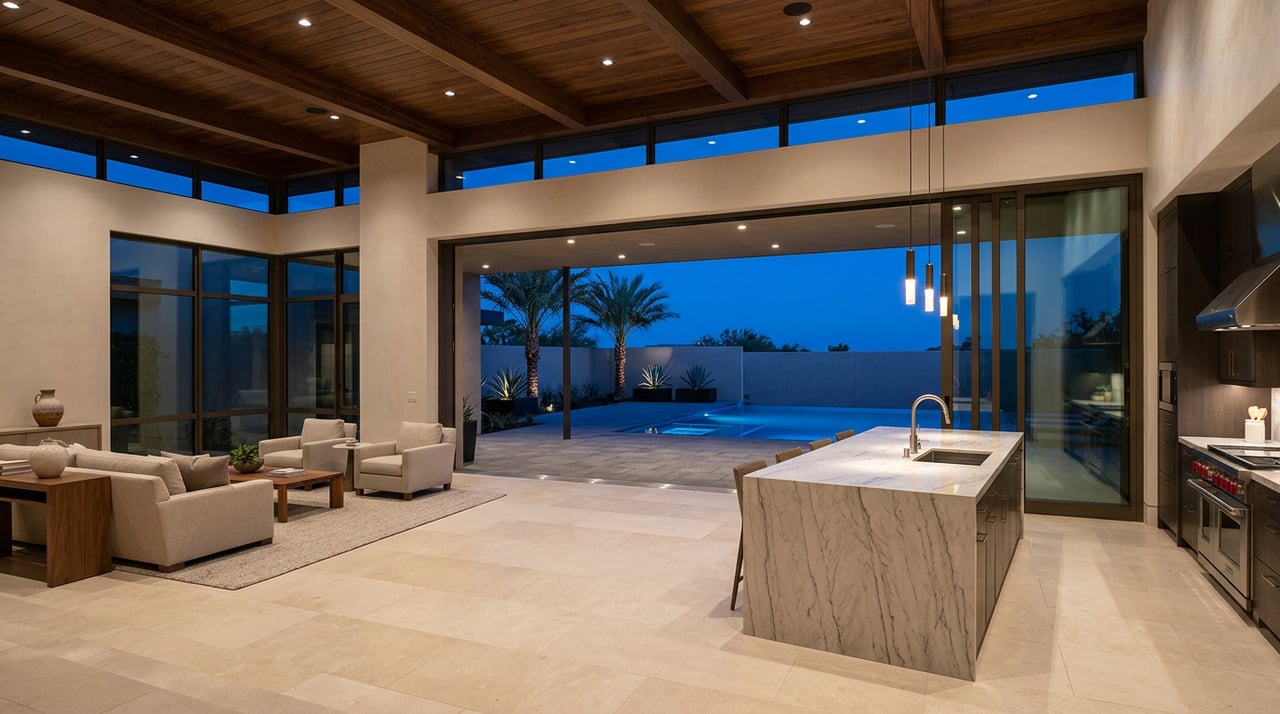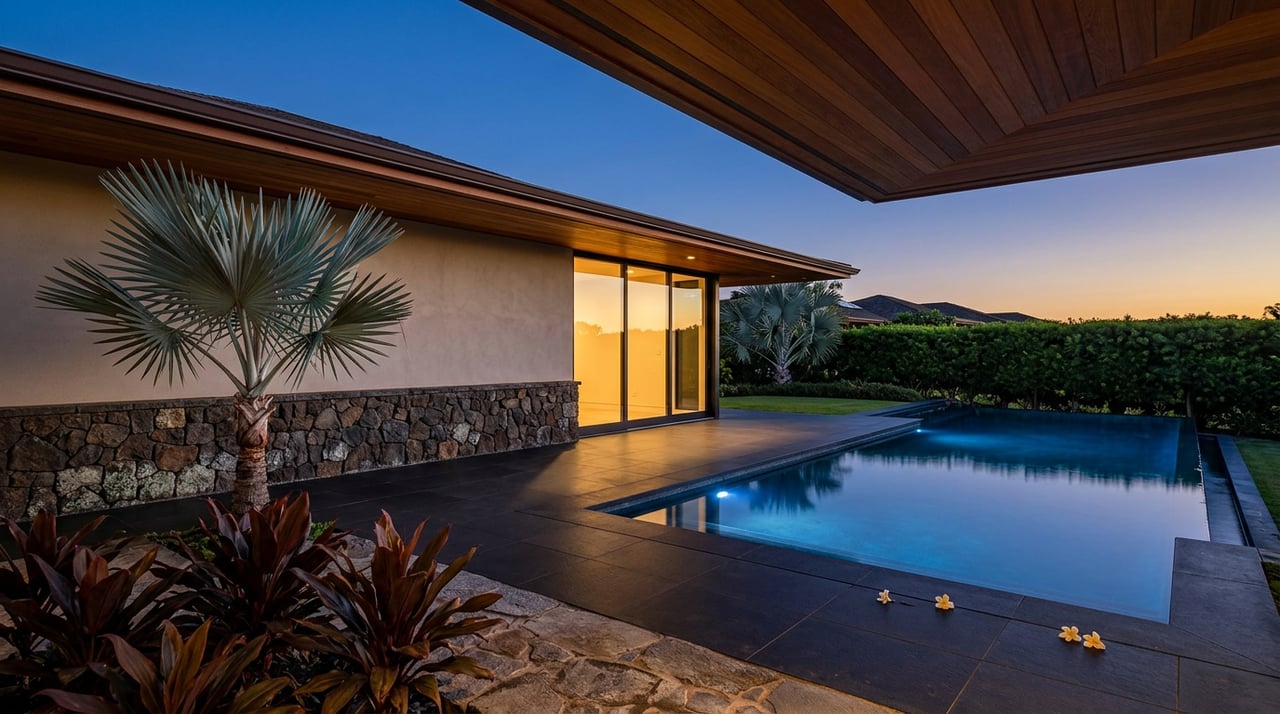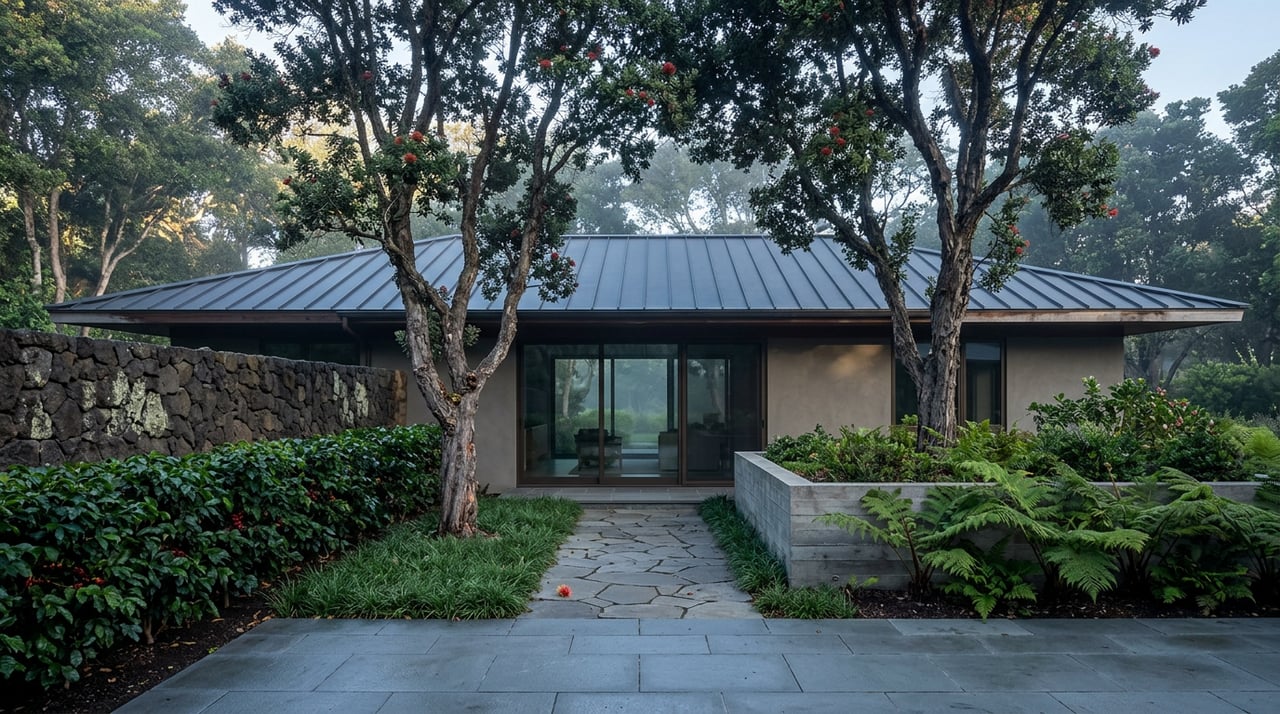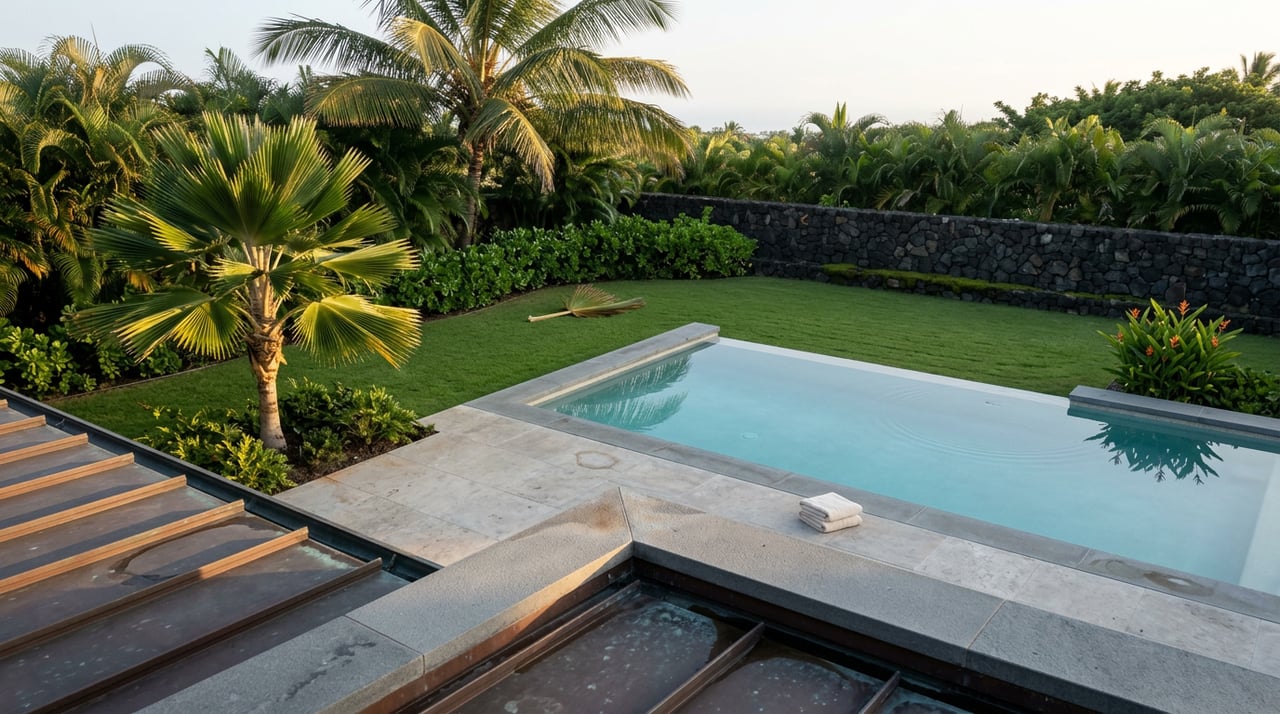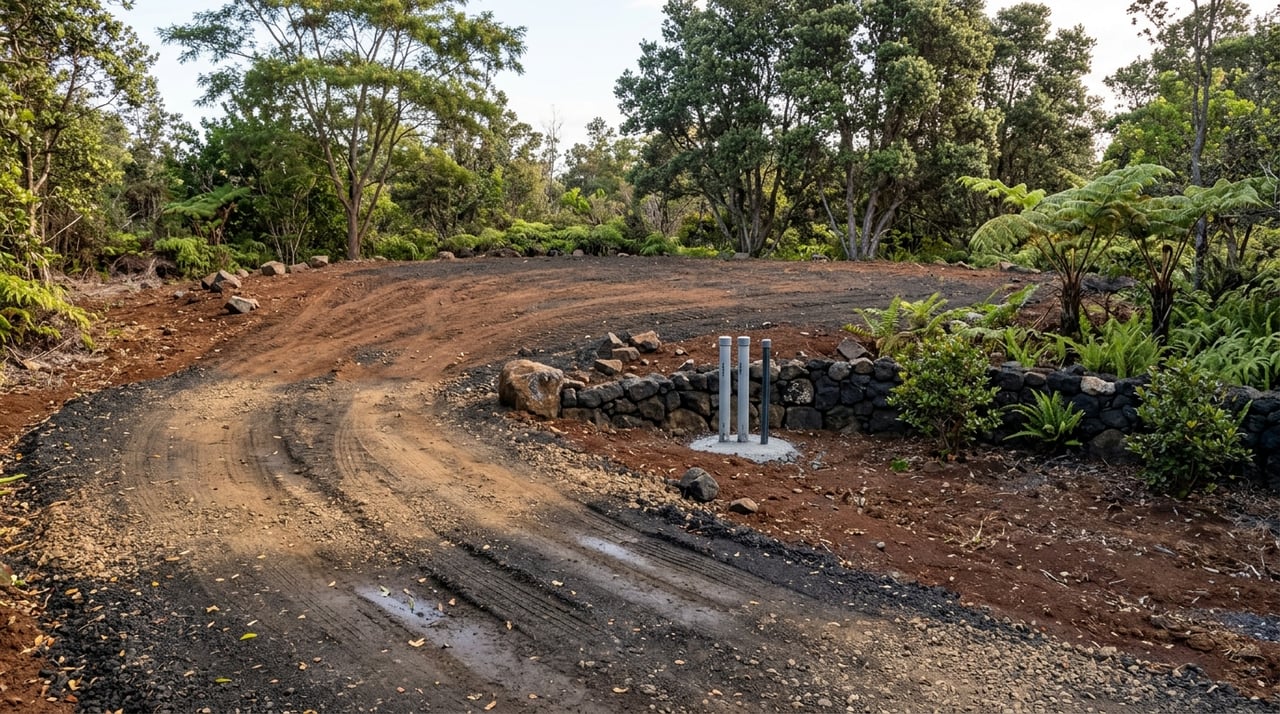
Buying acreage in Makalei can feel like the perfect next move. You may be picturing open space, privacy, room for a future home, and maybe even extra land for landscaping or outbuildings. Before you fall in love with the acreage count alone, it helps to understand what really shapes a successful build in North Kona. Let’s dive in.
Why Makalei acreage needs extra homework
Makalei is part of North Kona, and county planning information shows that at least one subdivision in the area, Makalei Estates, is associated with a 3-acre estate-style land pattern. That can make the area appealing if you want more elbow room and a larger homesite.
Still, acreage by itself does not tell you what you can build or how easy it will be to build it. Hawaiʻi County makes clear that land use is layered, with state land use district, county zoning, general plan designation, and subdivision code all potentially affecting the same parcel. The county also notes that its GIS tools are a guide, not an exact GPS overlay, so parcel-level verification should come first.
Start with the parcel, not the dream plan
It is easy to start with a vision board. In Makalei, the better first step is to start with the TMK and confirm the parcel details before spending money on design work.
Hawaiʻi County’s planning resources can help you review zoning, state land use district, general plan designation, flood zones, septic and cesspool requirements, TMK maps, and subdivision maps. That gives you a stronger factual baseline before you decide where the home, driveway, or accessory structures might go.
What to verify early
Before moving too far forward, check these items together:
- TMK and parcel boundaries
- County zoning and permitted uses
- State land use district
- General plan designation
- Flood and hazard map status
- Subdivision map and recorded restrictions
- Existing utility availability
- Access easements and public right-of-way issues
This step matters because one issue can affect several others. For example, your preferred home location may work for views but not for setbacks, drainage, driveway access, or wastewater layout.
Buildable area matters more than raw acreage
On a larger lot, not every part of the property will be equally usable. In many cases, the real question is not how many acres you are buying, but how much of the site works for a home, driveway, parking, drainage, and future improvements.
County residential building guidance says a site plan should show the entire parcel, easements, abutting streets, public access easements, all existing and proposed structures, and all setbacks. That means the buildable pad and its relationship to the rest of the parcel are central to the planning process.
Slope and drainage can change your budget
If your Makalei parcel is sloped, site work can become a major part of your build budget. Hawaiʻi County Public Works lists grading, grubbing, stockpiling, and right-of-way permits among its standard approvals, which tells you that early earthwork is often part of the process.
The county also states that added runoff should not be discharged onto county roads or neighboring property. On acreage, especially on sloped ground, drainage planning is not just a design detail. It can shape where you place the home and how much preparation the lot will need.
Access is a big part of buildability
A parcel can look great on paper and still be challenging if access is limited. Driveway alignment, entry points, and right-of-way conditions all deserve close review before you move ahead.
Hawaiʻi County guidance says a permit is required for driveways built within the county right-of-way. If a future homesite needs a long driveway or a new approach from the road, that can affect both timing and cost.
Think about emergency access too
The County of Hawaiʻi lists Makalei Fire Station, Station 21, in Kailua-Kona. For acreage buyers, that is a practical reminder to think about whether emergency vehicles can safely reach the homesite.
Driveway width, grade, and turnarounds may not be the most exciting part of your land search, but they matter. If you are buying for a future custom build, access should be part of your due diligence from day one.
Water service deserves careful planning
Water questions should be answered early, not after closing. The Department of Water Supply manages county water service, and its application process requires the service address or TMK.
The department also maintains a water-availability map, which can help you understand whether service is likely for a given parcel. New service can involve fees plus a refundable $150 credit deposit, so it is smart to account for that in your planning.
North Kona water conditions can shift
North Kona water planning is not just theoretical. The 2024 North Kona water-quality report states that the system is supplied by multiple groundwater sources, including Mākālei Estates Well, and that the source mix can change depending on supply and demand.
The Department of Water Supply cancelled a North Kona conservation notice on July 30, 2025, and current notices show no active North Kona conservation or restriction notice. Even so, buyers should plan realistically for occasional conservation periods or pressure issues when evaluating long-term water needs.
Wastewater is parcel-specific
Wastewater is another area where assumptions can get expensive. Whether a parcel is served by sewer or relies on another approved system depends on the specific property and its location.
Hawaiʻi County’s wastewater rules state that properties accessible to sewer must connect within 180 days of official notice. The county also notes that sewer user charges can apply even if the property is not yet connected.
If sewer is available, connection has rules
When sewer connection work is required, the county says the work must be completed by a licensed contractor and requires both a plumbing permit and a wastewater permit. Public Works plumbing inspectors must also inspect backfilling of cesspools, septic tanks, and seepage pits.
If you are considering an accessory dwelling unit or any future expansion, this becomes even more important. County planning guidance says accessory dwelling units need compliant sewage disposal and potable water service.
Landscaping and irrigation need planning too
If part of your vision for Makalei acreage includes extensive landscaping or agricultural-style use, ask utility questions early. Hawaiʻi County’s wastewater FAQ says irrigation-water exemptions are no longer allowed.
The same county guidance says customers seeking agricultural or landscaping use should contact the Department of Water Supply about a second water meter dedicated to that use. That can be an important detail for buyers who plan to use significant outdoor water.
CC&Rs can be stricter than county rules
One of the biggest surprises for acreage buyers is that county approval is not always the final word. If the parcel is in a subdivision, private rules may place additional limits on what you can build and how the property can be improved.
Hawaiʻi County planning guidance states that CC&Rs and association bylaws may control buildable area, setbacks, unit size, building height, materials, accessory structures, and design guidelines. The county also warns that a permit application can comply with county rules and still violate private subdivision restrictions.
Review these documents before buying plans
Before paying for house plans, review:
- The recorded deed
- CC&Rs
- Association or design-review rules
- Any subdivision-specific approval process
This can save you time, money, and frustration. It is much easier to adjust expectations before design begins than after plans are underway.
Hazard maps should be part of due diligence
Acreage buyers in Hawaiʻi County should always review hazard information as part of site selection. The county provides interactive tools for hazard impact, volcano hazard, and flood-map access.
USGS explains that lava-flow hazard zones are based on past lava inundation and topography. In practical terms, that means hazard screening should be part of your buying decision, not an afterthought once you are under contract.
A smart Makalei due diligence workflow
If you are buying acreage with the goal of building, it helps to follow a clear process. That keeps you focused on the parcel’s realities before you commit to a final vision.
A practical order of operations
- Confirm TMK, boundaries, and parcel records.
- Review zoning, land use district, and general plan designation.
- Check flood, hazard, and volcano map information.
- Evaluate access, easements, and driveway requirements.
- Check water availability with the Department of Water Supply.
- Confirm wastewater requirements for the parcel.
- Review subdivision rules, CC&Rs, and design guidelines.
- Assess slope, drainage, and likely earthwork needs.
- Build your team before final design work begins.
Based on county permit, access, drainage, zoning, and wastewater requirements, a strong build-out team often includes a surveyor, civil engineer, wastewater or septic designer, contractor, and someone coordinating permits and utility checks. For remote buyers especially, having local guidance can make this process much more manageable.
The bottom line on buying acreage in Makalei
Makalei acreage can offer the space and flexibility many buyers want, but the best purchase is usually the one that works on paper as well as in person. In this part of Hawaiʻi County, slope, access, water, wastewater, hazard screening, and subdivision rules often shape whether your future build is straightforward or more complex than expected.
If you want a local perspective before you buy, working with someone who understands Kona land, parcel research, and the practical side of remote coordination can help you move forward with more confidence. Reach out to Jonathan Kiger for hands-on guidance as you evaluate Makalei acreage and plan your next step.
FAQs
What should you check before buying land in Makalei?
- Start with the parcel’s TMK, zoning, state land use district, general plan designation, access, utility availability, hazard maps, and any subdivision restrictions such as CC&Rs.
Does acreage size in Makalei tell you what you can build?
- No. Larger lot size can be appealing, but what you can build depends on parcel-specific zoning, subdivision rules, setbacks, access, utilities, wastewater, and site conditions.
Do Makalei lots need county water verification?
- Yes. Hawaiʻi County’s Department of Water Supply manages service and provides a water-availability map, so buyers should verify service potential for the specific parcel early in the process.
Can subdivision rules in Makalei be stricter than county code?
- Yes. County planning guidance says CC&Rs and association bylaws may impose stricter limits on buildable area, height, materials, accessory structures, and design review.
Why do hazard maps matter when buying acreage in Hawaiʻi County?
- Hazard tools help you review issues such as flood exposure and volcano hazard. These conditions can affect site planning, risk, and the long-term practicality of building on a parcel.
Does driveway access require review for Makalei land?
- Yes. Hawaiʻi County says driveways built within the county right-of-way require a permit, and access planning should also account for drainage and emergency vehicle reach.