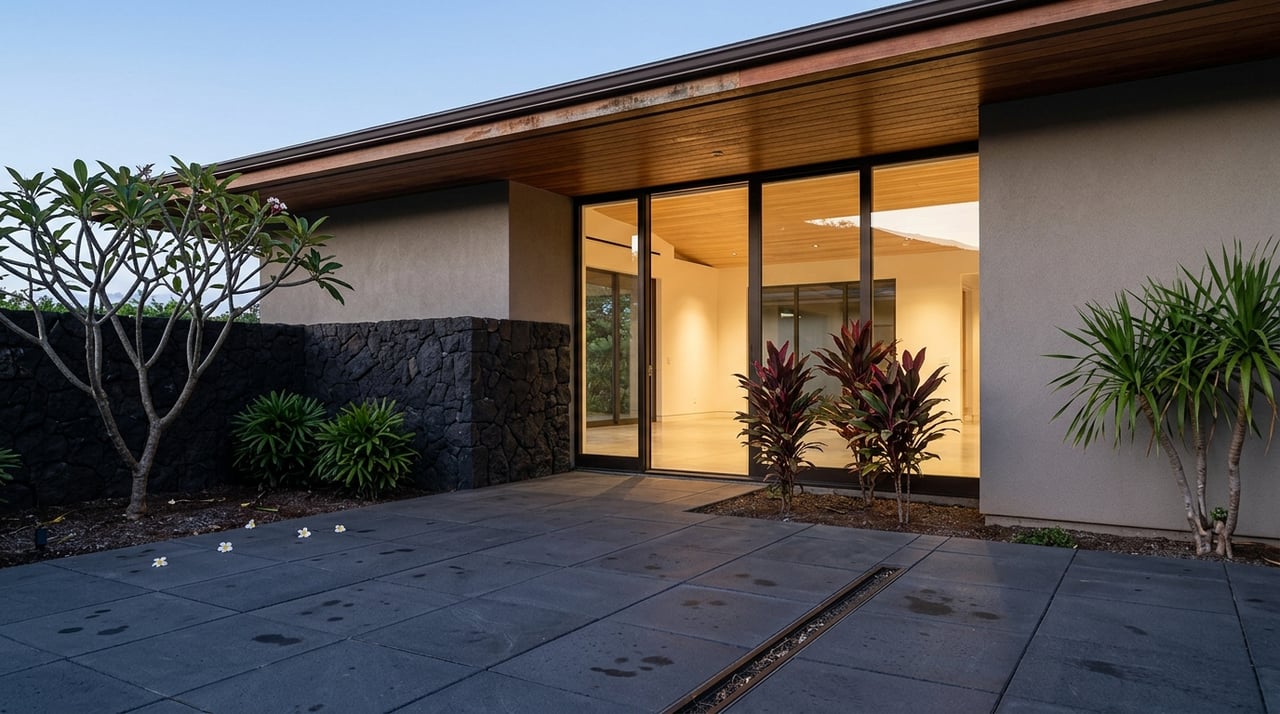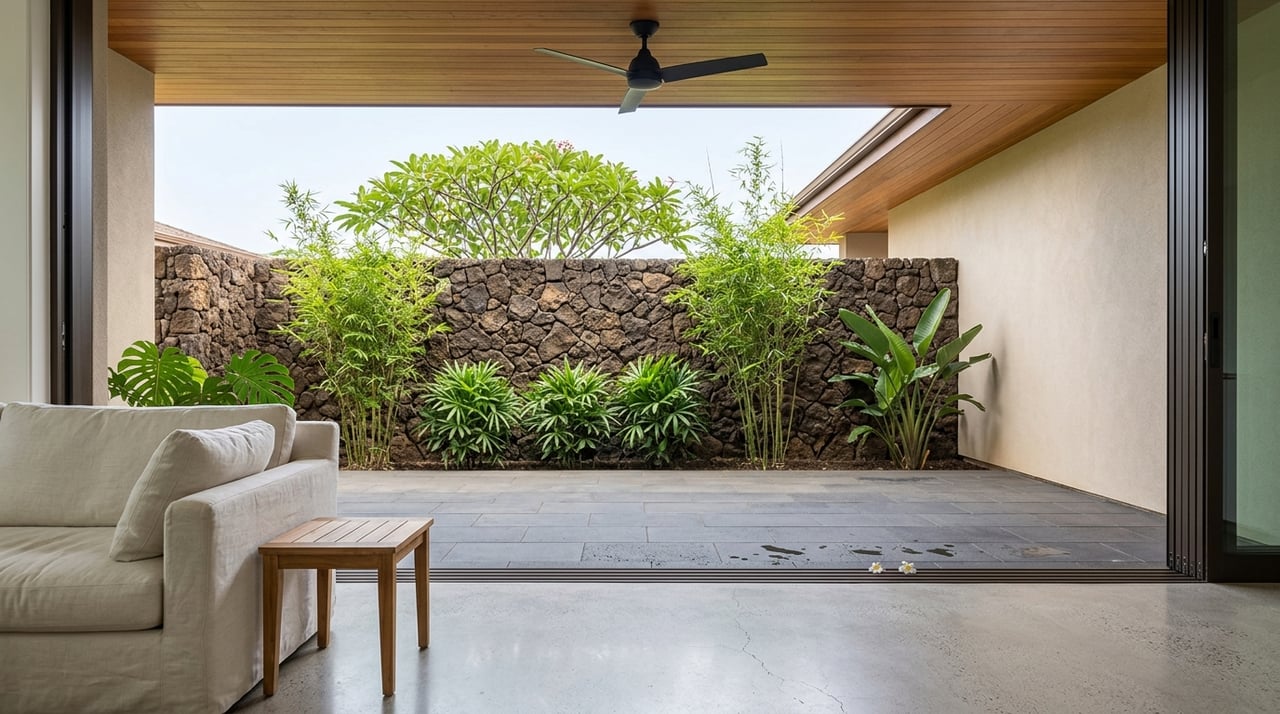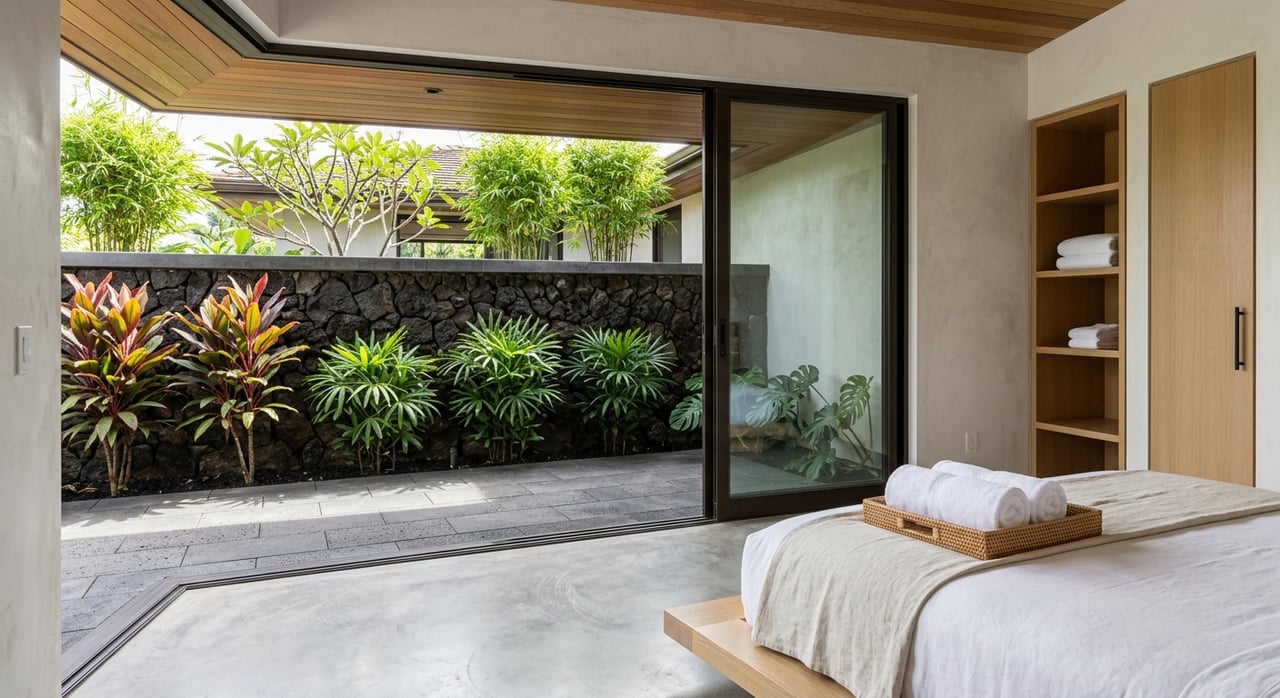
If you own a home in Keauhou, getting it ready for vacation guests takes more than fresh linens and a nice welcome note. This part of the Kona Coast is warm, sunny, and shaped by beach days, boat tours, wet gear, and frequent turnover. When your home is set up for that reality, it feels easier to manage, easier for guests to enjoy, and easier to keep in good condition over time. Let’s dive in.
Why Keauhou homes need a different setup
Keauhou has a very specific rhythm. It is known for sunny weather, water activities like snorkeling, scuba diving, kayaking, and nearby manta-ray viewing, with Keauhou Bay serving as a busy boat-ramp area for tours.
That setting affects how guests use a home. You are not just preparing a property to look good on arrival. You are preparing it to handle sand, towels, gear, sunscreen, and repeated arrivals and departures without feeling high-maintenance.
Nearby climate data supports that approach. The Kailua Kona Ke-Ahole station reports an annual mean temperature of 78.2°F and annual precipitation of 9.87 inches, with average highs in the low-to-mid 80s through the year.
In practical terms, that means your guest-ready plan should focus on comfort in warm conditions, fast cleanup after outdoor activity, and materials that hold up well in a coastal environment.
Choose durable, low-fuss finishes
A vacation home in Keauhou should be easy to wipe down, easy to inspect, and easy to maintain. Durable finishes matter more here than delicate styling because the home may sit vacant at times and then suddenly see heavy use.
Coastal conditions also make moisture control important. Hawaiʻi guidance on termite prevention recommends keeping moisture away from the structure, avoiding direct wood-to-soil contact, and inspecting regularly.
That is why practical materials often work best. Look for surfaces and furnishings that can handle damp towels, sandy feet, and routine cleaning without showing wear too quickly.
Smart choices for guest durability
A few simple upgrades can make a big difference:
- Wipeable dining and side tables
- Corrosion-resistant hardware and fixtures
- Easy-clean flooring in entry areas and main walkways
- Washable slipcovers or durable upholstery fabrics
- Bedside surfaces that resist water marks and sunscreen residue
You do not need to make the house feel commercial. You just want it to stay attractive with less effort between stays.
Build storage around beach life
One of the easiest ways to reduce clutter is to make storage obvious. Guests should not have to guess where to put snorkel gear, beach bags, extra towels, or shoes.
A clear storage plan also helps protect the home. University of Hawaiʻi pest guidance recommends sealing food, removing trash daily, and keeping kitchen and pantry areas clean, which supports the idea of covered storage and simple organization.
Storage that makes turnover easier
Consider setting up these basics:
- A lockable owner closet or cabinet for personal items and backup supplies
- Labeled bins for beach gear, towels, and replacement linens
- A dedicated shoe drop near the entrance
- Covered containers in the kitchen and pantry
- A small cleaning station stocked with visible essentials
When storage is easy to understand, guests tend to use it correctly. That helps the house stay organized, and it makes cleaning much faster after checkout.
Simplify the guest arrival flow
After a long travel day, guests want to know exactly what to do next. In Keauhou, that often means figuring out where to park, where to bring bags, where to rinse off, and where to place wet items.
Because Keauhou Bay is a departure point for snorkel and dive boats and nearby recreation areas attract water activity, your home should support that lifestyle from the moment guests arrive. Good guest flow is not about luxury. It is about reducing confusion.
What guests should see right away
Try to make these first steps obvious:
- Parking instructions
- Main entry access
- A bag-drop area
- A place for shoes and towels
- A clear path to the bathroom or rinse area
- Easy directions for Wi-Fi and lighting
If guests can settle in without texting questions right away, your setup is working.
Focus on comfort that feels effortless
In a warm coastal home, comfort should be simple and visible. Guests should not need to hunt for chargers, guess how appliances work, or struggle to find light switches at night.
A few practical details can make a home feel much more welcoming. Clear Wi-Fi instructions, a visible charging area, night lighting, and easy-to-read appliance labels all help guests relax faster.
Small details that improve the stay
A guest comfort setup might include:
- A printed Wi-Fi card in a visible spot
- Night lights in halls or bathrooms
- Labels for remotes and key appliances
- Extra hooks for towels and bags
- A welcome binder with house basics
These are simple touches, but they remove friction. That matters even more when guests arrive tired, late, or carrying wet gear from the day.
Include clear ocean safety notes
A Keauhou guest guide should go beyond house rules. It should also help visitors understand local ocean conditions in a clear, calm way.
Hawaii Ocean Safety advises swimmers to stay near lifeguards, observe warning signs, swim with a buddy, check the weather before entering the water, and watch for hazards like rocks and coral. GoHawaii also notes that Keauhou Bay is not recommended for swimming or snorkeling because of fishing and tour boat traffic.
That makes local guidance especially important for visitors who do not know the area well.
What to include in your guest booklet
Your house manual should clearly note:
- Keauhou Bay is not recommended for swimming or snorkeling
- Ocean conditions can change quickly
- Guests should check current conditions before entering the water
- Posted signs and lifeguard guidance should be followed
- Safer beach choices should be confirmed before heading out
This kind of information helps guests make better decisions, and it shows that your home is managed with care.
Prepare for outages and emergencies
Hawaii households are encouraged to plan ahead for weather events and power outages. The Hawaiʻi Department of Health recommends planning for 14 days of supplies, and Hawaiian Electric advises keeping items like flashlights, batteries, a radio, rechargeable battery packs, nonperishable food, and a manual can opener.
For a vacation home, you do not need to overwhelm guests with emergency information. You do need to make essential items easy to find and basic instructions easy to follow.
A simple emergency setup
Your home should ideally include:
- Flashlights or battery lanterns in more than one room
- Extra batteries in a labeled container
- A printed emergency contact sheet
- Basic instructions for utility shutoffs
- A visible emergency kit in an easy-to-find location
If guests arrive after hours or during a weather event, this preparation can make the home feel far more manageable.
Plan for cleaning and routine service
A Keauhou home does not stay guest-ready by accident. In a warm coastal setting, regular cleaning and inspection are part of the ownership plan.
Professional turnover cleaning is especially useful for absentee or part-time owners. It resets the home between stays, catches small moisture or wear issues early, and creates a regular check on the condition of the property.
Your local support team matters
Depending on the home, a practical service bench may include:
- A reliable cleaner
- A pest-control professional
- A handyman
- Pool or spa service, if applicable
- Landscaping support, if applicable
This is often the difference between a home that looks ready in photos and one that stays truly ready for guests over time.
Think like an owner, not just a host
The best Keauhou vacation homes are not the ones with the most décor. They are the ones that feel easy to enter, easy to understand, easy to clean, and easy to hand off to the next guest.
If you are buying, preparing, or evaluating a second home in Kahaluu-Keauhou, it helps to think in systems. Durable finishes, smart storage, simple safety notes, and dependable local support all work together to protect your property and improve the guest experience.
When you want local guidance on what makes a Kona Coast property easier to own and manage, connect with Jonathan Kiger for practical insight grounded in the way Keauhou homes are really used.
FAQs
What makes a Keauhou vacation home different from other second homes?
- Keauhou homes often need to handle warm weather, beach gear, wet towels, sandy foot traffic, and frequent guest turnover in a coastal environment.
What should a Kahaluu-Keauhou guest welcome binder include?
- It should include parking, trash, laundry, Wi-Fi, emergency contacts, basic house instructions, and ocean safety notes specific to the area.
Why is storage so important in a Keauhou vacation property?
- Clear storage helps guests put away beach gear, towels, shoes, and supplies correctly, which reduces clutter and makes turnover cleaning easier.
Should a Keauhou home include emergency supplies for guests?
- Yes. A visible basic emergency kit, flashlights, batteries, and printed instructions can help guests manage outages or weather-related disruptions more confidently.
Is Keauhou Bay safe for swimming or snorkeling?
- GoHawaii says Keauhou Bay is not recommended for swimming or snorkeling because of fishing activity and tour boat traffic.
Why are regular cleaning and inspections important for Keauhou homes?
- In a warm coastal setting, routine cleaning and inspection help catch sand, moisture, pest, and wear issues early so the home stays ready for future guests.