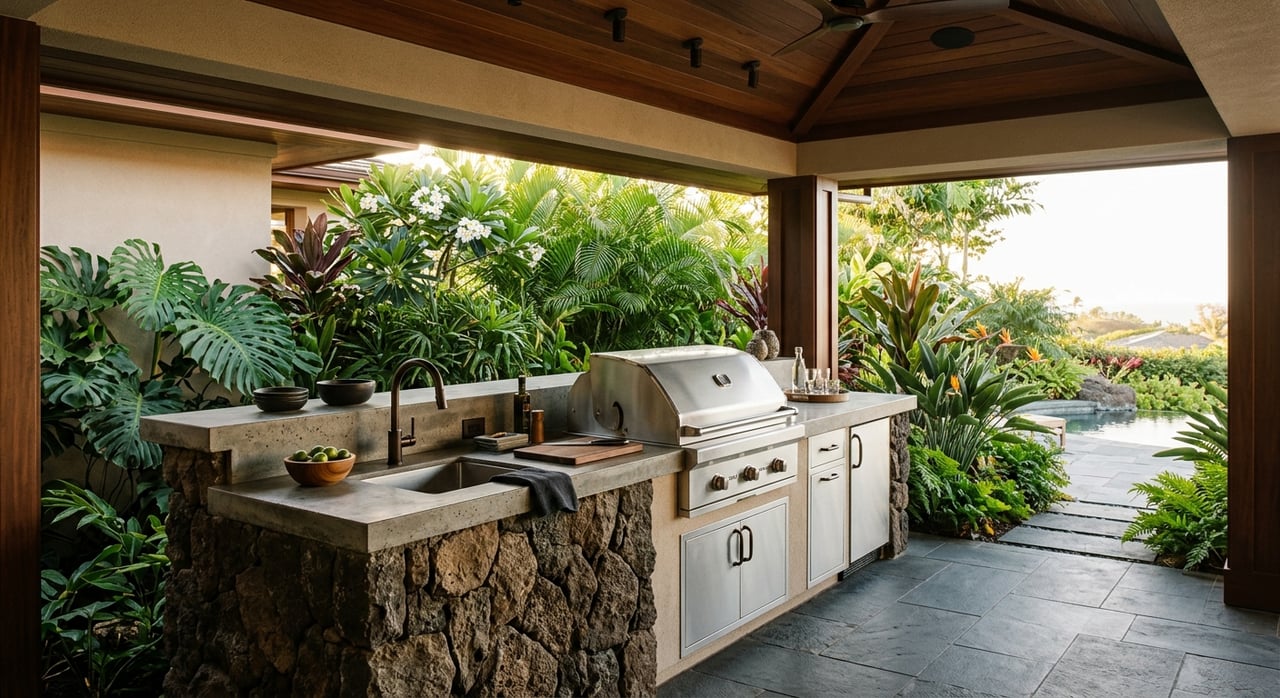
If you are thinking about buying a vacation rental in Waikoloa Beach, one question matters fast: is the demand really there? The short answer is yes, but the smarter answer is that demand in this part of the Kohala Coast is best understood through Hawaiʻi Island trends, resort-area features, and careful property-by-property analysis. If you want to know what drives bookings, when demand tends to rise and fall, and what to look for before you buy, this guide will help you make a more informed decision. Let’s dive in.
Why Waikoloa Beach Draws Vacation Demand
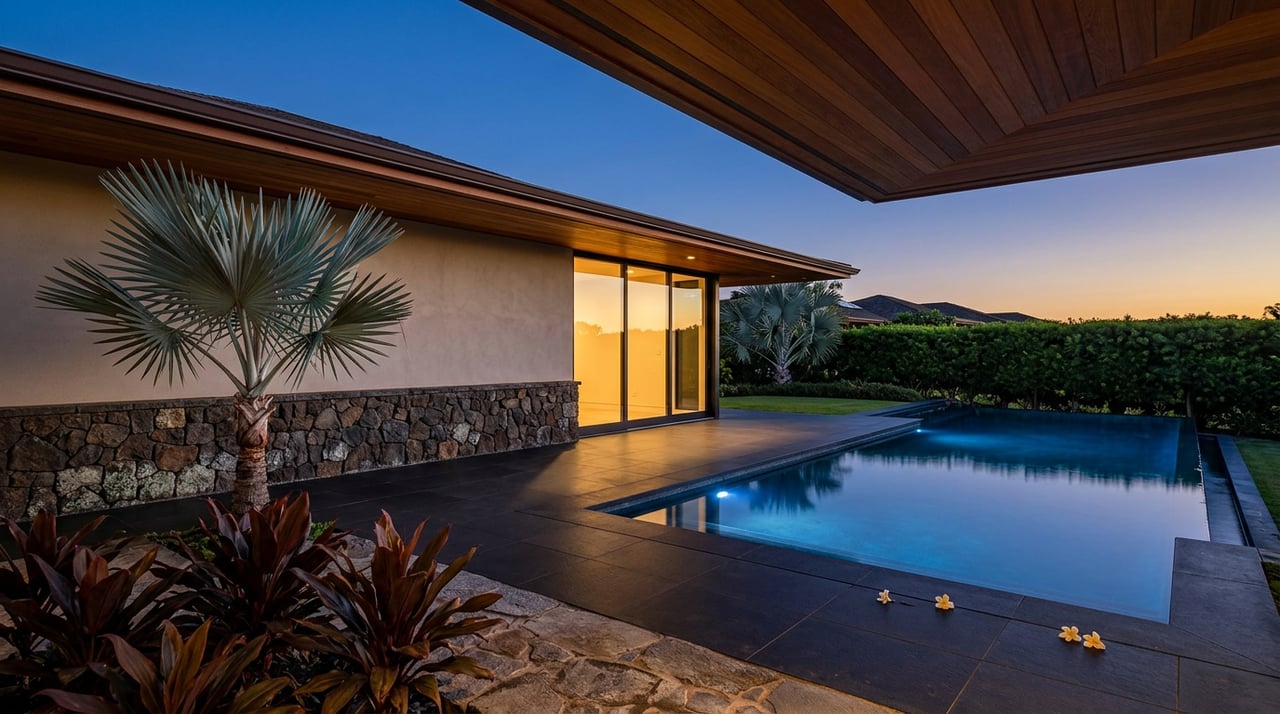
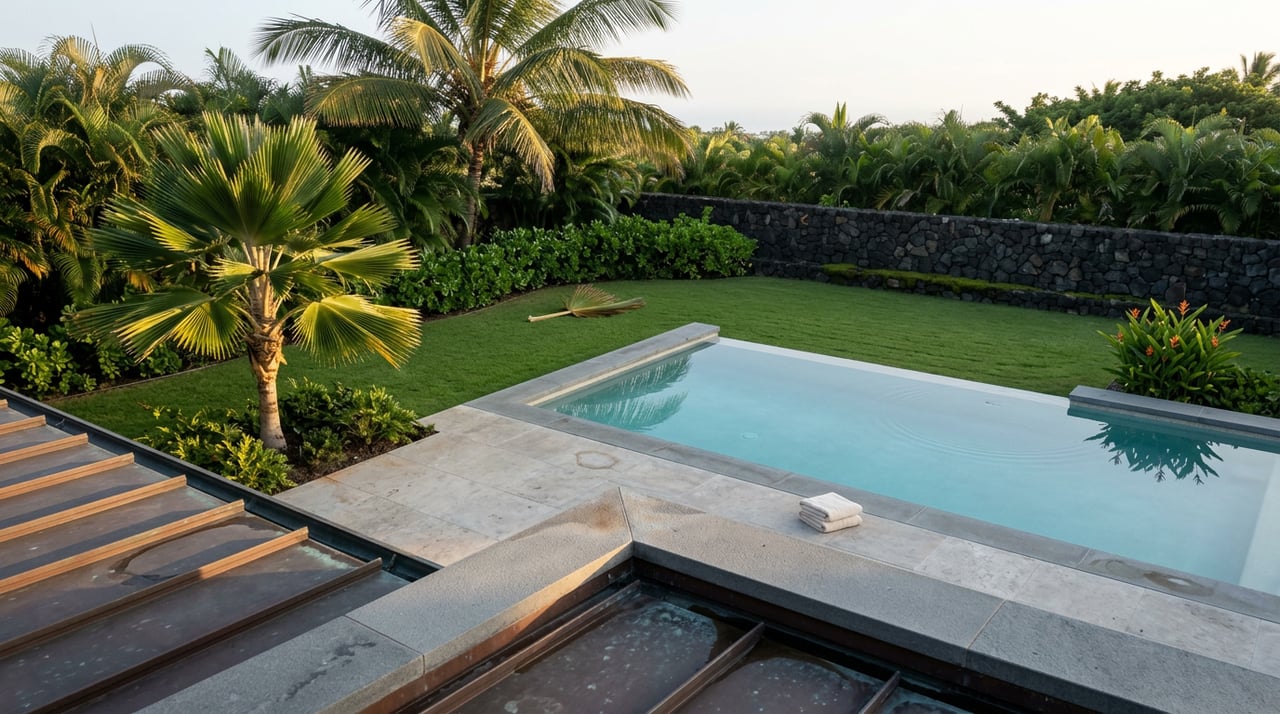
Waikoloa Beach sits in a resort corridor on the Kohala Coast, and nearby official resort listings consistently highlight the same lifestyle draws: beach access, golf, shopping, dining, pools, and spa-style amenities. Public-facing property pages also emphasize proximity to Kings’ Shops and Queens’ Marketplace, which helps explain why this area appeals to visitors who want a stay that feels easy and self-contained.
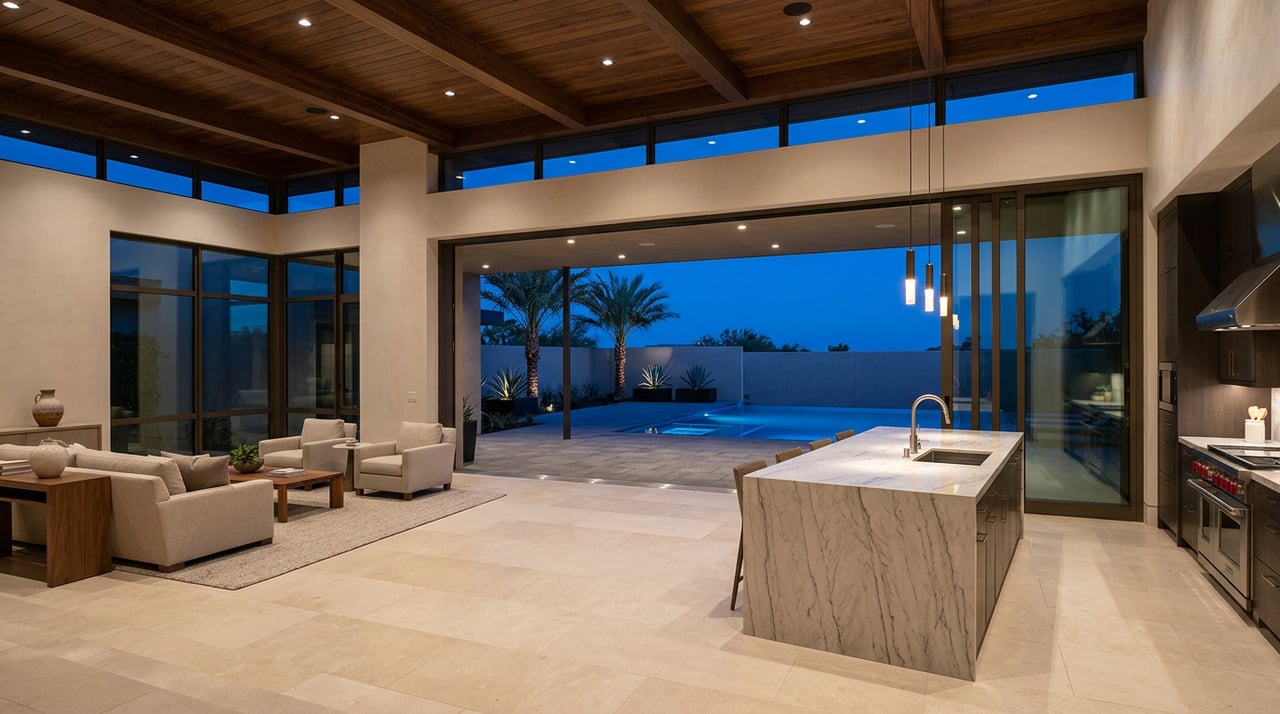
That matters because Waikoloa Beach is not just competing on square footage. It is competing on experience. For many travelers, the appeal is being close to the beach, near resort amenities, and able to settle into a condo or villa that feels more like a vacation home than a standard hotel room.
Hawaiʻi Island Demand Sets the Tone
There is not a clean official data series for Waikoloa Beach alone, so the most reliable way to read demand is through Hawaiʻi Island totals and west-side resort-area proxies. That gives you a realistic direction of travel without pretending the numbers are more precise than they are.
In 2024, Hawaiʻi Island welcomed 1.735 million air visitors and generated $3.22 billion in visitor spending. The visitor base was also heavily leisure-focused, with 82.5% coming for vacation. That supports the idea that vacation-oriented properties in resort areas like Waikoloa Beach have a meaningful audience.
The lodging mix is also important. In 2024, 50.8% of Hawaiʻi Island visitors stayed in hotels, but a notable share used other lodging types, including rental homes at 18.8%, condominiums at 14.7%, and timeshares at 9.8%. For buyers considering resort condos or villas, that tells you there is real demand for accommodations beyond traditional hotel rooms.
Repeat Visitors Support Resort Rentals
One of the strongest signals in the data is how many people come back. In 2024, 69.9% of Hawaiʻi Island visitors were repeat visitors. That is a meaningful figure for anyone evaluating vacation rental demand because repeat travelers often know what they want, where they want to stay, and which resort areas fit their travel style.
For Waikoloa Beach, that can work in your favor. A repeat visitor who already likes the Kohala Coast may be looking for the comfort of a familiar area, convenient amenities, and a layout that works well for a multi-night or multi-week stay.
The biggest visitor origin markets were the U.S. West and U.S. East, with 897,807 and 518,916 air arrivals respectively in 2024. For many owners, that points to a guest base that often books from the mainland and values a property that can be coordinated remotely and enjoyed like a second home.
Seasonality Matters in Waikoloa Beach
If you are trying to estimate rental performance, seasonality is a major part of the picture. Hawaiʻi Island vacation-rental reports from DBEDT and HTA show that demand was strongest in winter and softer in spring, early summer, and fall during 2024.
Here is the broad island-wide occupancy pattern reported for vacation rentals in 2024:
| Month | Hawaiʻi Island Vacation Rental Occupancy |
|---|---|
| January | 58.7% |
| February | 58.5% |
| March | 53.1% |
| April | 44.5% |
| June | 42.5% |
| July | 45.8% |
| November | 42.2% |
| December | 49.4% |
These are not Waikoloa-only figures, but they are a useful directional guide for west-side resort demand. The pattern suggests that winter tends to be the strongest stretch, while shoulder periods may require more attention to pricing, minimum stays, and booking strategy.
Rate Strength Can Help Offset Softer Months
Occupancy is only part of the story. Average daily rate stayed relatively firm on Hawaiʻi Island even when occupancy softened, which is an important point for buyers looking at Waikoloa Beach rentals.
In 2024, reported Hawaiʻi Island vacation-rental ADR was about $263.52 in January, $267.57 in February, $253.66 in April, $257.57 in June, $268.05 in July, and $290.03 in December. That tells you a property does not need to be full every night to perform well on paper.
For owners and buyers, the practical takeaway is simple: calendar management matters. A well-positioned unit with the right pricing strategy may still hold rate strength even during softer occupancy periods.
What Kind of Guests Fit Waikoloa Beach Rentals?
The visitor profile for Hawaiʻi Island lines up well with the kind of inventory found in Waikoloa Beach. Q4 2024 visitor survey results showed average party sizes around 3.6 to 4.0 people in major mainland markets, with average ages skewing into the 50s.
That profile tends to fit family travel and small-group travel better than single-occupant trips. It also helps explain why condo and villa layouts with extra bedrooms, a kitchen, laundry, and comfortable shared living space can be attractive in this market.
Visitor motivations also matter. For Hawaiʻi Island, natural beauty was a leading motivator across markets, and outdoor or sporting activities were also common. In Q4 2024, 43.1% of U.S. West visitors and 50.3% of U.S. East visitors cited famous landmarks or natural beauty, while 20.3% of U.S. West and 14.8% of U.S. East visitors cited outdoor or sporting activities and events.
That lines up well with Waikoloa Beach’s resort setting. A property that gives guests easy access to scenery, shoreline areas, golf, and resort conveniences fits the reasons many people come to this part of the island in the first place.
Features That Can Influence Booking Appeal
Not every vacation rental in Waikoloa Beach will perform the same way. Based on how official resort properties in the area are marketed, certain features appear again and again.
Buyers should pay close attention to:
- View orientation
- Distance to beach access
- Proximity to golf
- Walkability to shopping and dining
- Bedroom and bathroom count
- Usable lanai space
- Kitchen quality
- In-unit laundry
- Parking
- Layout that works well for multi-night stays
In many cases, location within the resort area may matter more than raw size alone. Oceanfront, golf-course, or close-to-amenity units can be easier to market to repeat visitors who want a resort-style stay without spending much of the trip driving.
Why Condo Layouts Often Make Sense
The data does not prove that every larger condo or villa will outperform, but it does support the idea that self-catered space has a real audience on Hawaiʻi Island. When you combine repeat visitors, leisure-heavy travel, and average party sizes near four people, it is easy to see why units with two or three bedrooms often attract attention.
For many guests, the value is practical. A kitchen can support longer stays. Laundry adds convenience. A comfortable living area gives families and small groups room to relax after a day out.
That does not mean smaller units cannot work. It simply means the guest profile in this market often matches homes that feel livable, flexible, and easy to enjoy over several nights.
Read the Data Carefully
Vacation-rental performance reports are useful, but they have limits. HTA and DBEDT reports exclude hotels and timeshares, and they do not determine whether a unit is permitted or unpermitted.
That means the reports are best used for directional demand analysis, not legal clearance or final underwriting. If you are evaluating a specific Waikoloa Beach property, you should separate two questions: Will guests want it? and Is it legally eligible for short-term rental use?
Those are connected in practice, but they are not the same thing.
Legal Eligibility Comes First
In Hawaiʻi County, vacation-rental legality is determined at the county level. County Planning has a short-term vacation rental registration process, and the county finance page notes that an owner may also need a County Short-Term Vacation Rental permit plus state TAT registration.
County planning rules list permitted zoning districts for short-term vacation rental use as Resort (V), General Commercial (CG), Village Commercial (CV), residential/commercial districts in resort and resort-node areas, and certain multiple-family residential condominium properties. For buyers, the key lesson is straightforward: do not assume demand equals eligibility.
Before modeling rental income, you should verify:
- Zoning
- Condo association rules
- Registration requirements
- Any permit requirements tied to the property
This is one of the most important parts of buying intelligently in Waikoloa Beach. A property can look attractive from a demand standpoint and still require deeper legal review before it should be treated as a vacation-rental investment.
What Buyers Should Focus On
If you are comparing properties in Waikoloa Beach, it helps to think in layers. Start with the big-picture demand story, then narrow down to the unit itself, and finally confirm legal and operational details.
A practical review process often looks like this:
- Confirm the location and resort-area appeal.
- Look at unit features that fit the visitor profile.
- Consider seasonal occupancy patterns, not just peak-season performance.
- Evaluate rate potential alongside occupancy.
- Verify zoning, condo rules, and county requirements.
This approach gives you a clearer picture than relying on listing language alone. It also helps you avoid overestimating income based on one strong season or one appealing photo set.
Waikoloa Beach Demand in Plain English
So, is there vacation rental demand in Waikoloa Beach? The available evidence says yes. Hawaiʻi Island draws a large number of leisure visitors, many are repeat travelers, and a meaningful share of them choose condos, rental homes, and other non-hotel accommodations.
At the same time, successful buying here is not just about finding any unit in a resort area. It is about matching the right property to the guest profile, understanding seasonal swings, and verifying the legal framework before you count on rental use.
If you want help sorting through Waikoloa Beach opportunities, that is where local guidance can make a big difference. A knowledgeable local team can help you compare resort locations, think through rental appeal, and flag the due diligence questions that matter before you move forward. When you are ready to talk through your options, reach out to Jonathan Kiger for local, hands-on guidance tailored to your goals.
FAQs
How strong is vacation rental demand in Waikoloa Beach?
- Waikoloa Beach appears to benefit from broader Hawaiʻi Island leisure demand, including 1.735 million air visitors in 2024, strong repeat visitation, and meaningful use of rental homes and condominiums.
What seasons are strongest for Hawaiʻi Island vacation rentals?
- Official 2024 island-wide vacation-rental reports show the strongest occupancy in winter, including 58.7% in January and 58.5% in February, with softer periods in spring, early summer, and fall.
What type of Waikoloa Beach property may appeal most to guests?
- Properties with resort-area convenience, views, beach or golf access, kitchens, laundry, and layouts that work for families or small groups may align well with the island’s visitor profile.
Can I use any Waikoloa Beach condo as a short-term rental?
- No. In Hawaiʻi County, short-term rental use depends on county rules, zoning, condo rules, registration requirements, and in some cases permit requirements.
Do Hawaiʻi Island vacation rental reports prove a unit is legal?
- No. HTA and DBEDT vacation-rental reports are useful for demand analysis, but they do not distinguish between permitted and unpermitted units.
Why do repeat visitors matter for Waikoloa Beach rentals?
- Repeat visitors made up 69.9% of Hawaiʻi Island visitors in 2024, which suggests a large share of travelers may already know the island and seek familiar resort areas with convenient, comfortable accommodations.