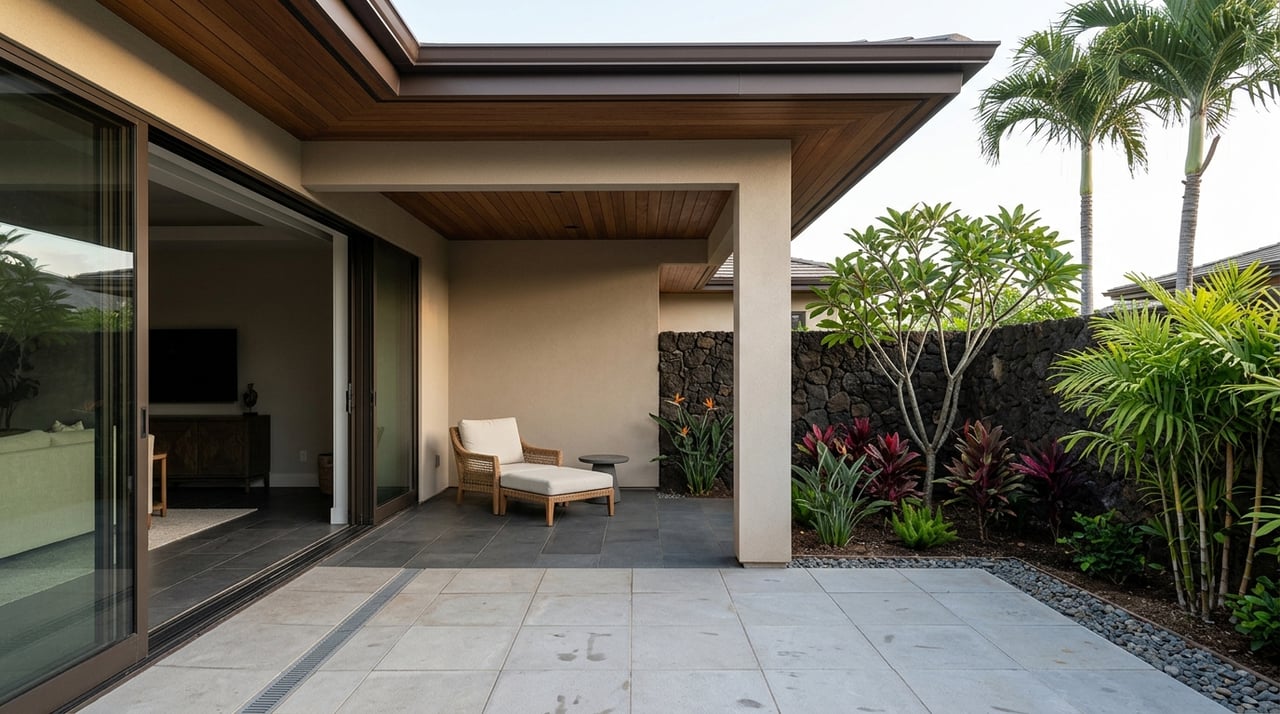
Picture this: you land in Kona, make the drive up the Kohala Coast, and within about 45 minutes you are unlocking your own place near the beach, restaurants, golf, and sunset views. If you are thinking about a second home, Waikoloa Beach stands out because it blends resort ease with the real responsibilities of owning property in Hawaiʻi. Here is what day-to-day life can look like, what makes the area appealing, and what you should plan for before you buy. Let’s dive in.
Waikoloa Beach lifestyle
Waikoloa Beach Resort is set up for convenience in a way many second-home buyers appreciate. The area brings together hotels, private condo communities, golf, shopping, dining, and entertainment in one broader resort district on the Kohala Coast.
For many mainland owners, that layout matters just as much as the scenery. Kona International Airport is about 17 miles away, or roughly a 45-minute drive, so getting in and out can feel more manageable than owning in a more remote part of the island.
It also helps to think of Waikoloa Beach as more than one neighborhood. It is a layered resort area with public shoreline access points, private communities, hotels, and separate shopping and dining hubs all connected within the same general setting.
Year-round outdoor living
The climate supports the kind of second-home routine many buyers imagine. Nearby NOAA climate normals for Kailua Kona at Keahole Airport show an annual mean temperature of 78.2°F, with an average high of 84.2°F, an average low of 72.3°F, and about 7.1 inches of annual precipitation.
That kind of weather can make outdoor living feel natural all year. Morning walks, lanai coffee, beach afternoons, and sunset dinners outside can become part of your normal rhythm instead of a once-in-a-while vacation treat.
At the same time, coastal ownership comes with practical realities. Sun, salt air, and shoreline exposure can mean you need a steady plan for upkeep, regular check-ins, and attention to how your property holds up over time.
Beach access and shoreline routines
One of the biggest draws of owning at Waikoloa Beach is how easy it is to build your day around the shoreline. Around ʻAnaehoʻomalu Bay, you get the classic beach-resort feel with a white-sand setting that is known for relaxed beach time and sunset viewing.
The County of Hawaiʻi shows that access varies depending on where you go. On the north side of ʻAnaehoʻomalu Beach, the county lists swimming, hiking, fishing, parking in the Kolea area, and no facilities.
On the south side, the county lists swimming, windsurfing, sailing, hiking, fishing, plus parking, restrooms, and showers. The county also notes that hours differ by access point, so it helps to know the specific area you plan to use most often.
For a second-home owner, this can make everyday life feel easy and flexible. You might head out for a swim in the morning, take a shoreline walk later in the day, and come back for sunset without needing a big plan.
Trails, petroglyphs, and natural scenery
Waikoloa Beach is not only about the sand. The broader resort area also includes access to coastal trails and historic features that add depth to the experience of owning here.
Waikoloa Beach Resort says the Ala Kahakai National Historic Trail runs through the resort area. It connects communities, temples, fishing areas, and other important places along the west coast of Hawaiʻi Island.
The resort also notes that petroglyphs are accessible between the Kings’ Golf Course and Kings’ Shops. Complimentary guided tours are offered Thursday through Sunday, which gives owners and their guests a simple way to explore an important part of the area’s landscape.
The county also identifies places like Anchialine Pond Preserve and Naupaka Place shoreline access within Waikoloa Beach Resort. These areas offer rocky shoreline, coastal trail access, and parking, but no facilities, and the county warns that footing can be hazardous and conditions can include currents and waves.
That is an important part of the ownership experience too. The setting is scenic and memorable, but it is still a real coastal environment, so enjoying it well means paying attention to conditions and access details.
Dining and shopping convenience
Second-home living usually works best when the basics are close by. Waikoloa Beach has two major anchors that make day-to-day routines easier: Queens’ Marketplace and Kings’ Shops.
Queens’ Marketplace says it features more than 35 shops, retailers, and restaurants, along with the largest food court on the Kohala Coast. Resort information also notes that shoppers can find a gourmet market and everyday essentials, which is useful when you arrive late, forget a few items, or want to stock up without a long drive.
Kings’ Shops adds another layer to the social side of ownership. The resort says it offers free Hawaiian music, hula shows, guided petroglyph tours, and a weekly farmers market.
Together, these centers help make Waikoloa Beach feel livable, not just visitable. You can keep things simple with coffee, groceries, casual meals, and errands close to home, then enjoy live entertainment or a local event later in the day.
What the dining scene feels like
Waikoloa Beach Resort says there are more than 30 dining options across the resort. That mix includes grocers and quick stops, coffee and brunch spots, beachfront dining, cocktail venues, and lūʻau experiences.
The resort specifically lists options such as Island Gourmet Markets, Kona Biscuit Co., Kuleana Rum Shack, Roy’s Waikoloa Bar & Grill, and Lava Lava Beach Club. For owners, that variety can make a big difference during both short stays and longer visits.
You do not have to overplan every meal or leave the area to enjoy different types of dining. Some days may be beach first, groceries at midday, and a relaxed dinner nearby, which is part of what makes the second-home lifestyle here so appealing.
What ownership looks like in practice
A lot of second-home buyers are drawn to Waikoloa Beach because condo ownership can support part-time use. The area includes private condo communities with shared amenities and setups that are clearly designed around owner occupancy and repeat visits.
For example, Fairway Villas says each condo is privately owned and that many owners rent their two- and three-bedroom units themselves or through management companies. It also highlights amenities such as a pool, hot tub, fitness center, BBQ area, and a central location walkable to resort amenities and the beach.
Waikoloa Colony Villas describes a gated townhome community with pools, a whirlpool spa, a fitness center, tennis court, and clubhouse. For some buyers, this kind of setup can feel more manageable than a standalone property because certain amenities and shared spaces are maintained at the community level.
That said, it is still important to go in with clear expectations. Even when a property feels lock-and-leave, second-home ownership still calls for oversight, routine maintenance, and a plan for the times you are away.
Renting out your second home
If you plan to rent your property when you are not using it, Hawaiʻi tax rules matter. According to the Hawaiʻi Department of Taxation, rental income from a house, condominium, second home, vacation home, or other dwelling unit in Hawaiʻi is a taxable business activity.
The same guidance says short-term rentals of fewer than 180 consecutive days are subject to GET and TAT. It also notes that counties impose their own short-term rental rules, including zoning, permits, and operational requirements.
Another key point is that using a property manager or third-party rent collector does not remove the owner’s tax obligation. The Department of Taxation says the owner remains responsible for getting filings and payments right.
For mainland buyers, that is a helpful reality check. Rental support can make ownership easier, but you still want a clear compliance plan and a trusted local team to help you stay organized.
Why local support matters
The appeal of Waikoloa Beach is easy to understand. You get resort convenience, shoreline access, dining, shopping, and outdoor routines that fit naturally into second-home life.
The smart part is making sure the ownership side matches the lifestyle side. That means understanding the property type you are buying, knowing how you will handle maintenance, and having reliable local support if you are off-island for long stretches.
For many buyers, that is where local guidance becomes especially valuable. A hands-on team can help you evaluate which communities fit your goals, what part-time ownership really looks like, and how to think through practical details before you commit.
If you are exploring a second home at Waikoloa Beach and want local, relationship-first guidance, reach out to Jonathan Kiger for a Kona real estate consultation.
FAQs
What is Waikoloa Beach like for a second-home owner?
- Waikoloa Beach offers a resort-style setting with condos, hotels, golf, shopping, dining, entertainment, shoreline access, and beach routines all within one broader area on the Kohala Coast.
How far is Waikoloa Beach from Kona airport?
- Waikoloa Beach Resort is about 17 miles from Kona International Airport, or roughly a 45-minute drive.
What beach access does Waikoloa Beach have?
- The area around ʻAnaehoʻomalu Bay includes public shoreline access, with the county listing swimming, hiking, fishing, and different parking and facility options depending on the north or south access point.
Are there trails and historic sites at Waikoloa Beach?
- Yes. Waikoloa Beach Resort says the Ala Kahakai National Historic Trail runs through the resort, and petroglyphs are accessible between the Kings’ Golf Course and Kings’ Shops.
Is Waikoloa Beach convenient for part-time living?
- For many buyers, yes. The area includes shopping centers, dining, entertainment, and private condo communities with shared amenities that can support part-time use.
What should owners know about renting a second home in Waikoloa Beach?
- The Hawaiʻi Department of Taxation says rental income from a second home or condo in Hawaiʻi is a taxable business activity, and short-term rentals of fewer than 180 consecutive days are subject to GET and TAT, with county rules also applying.