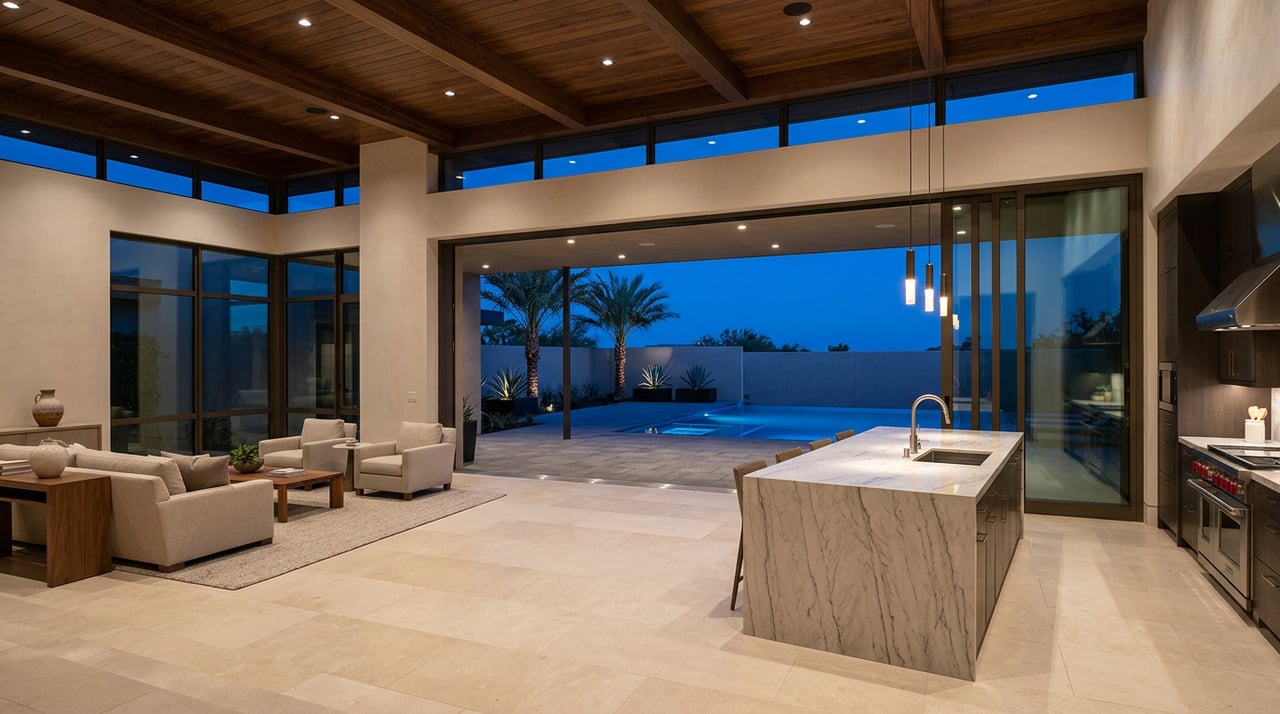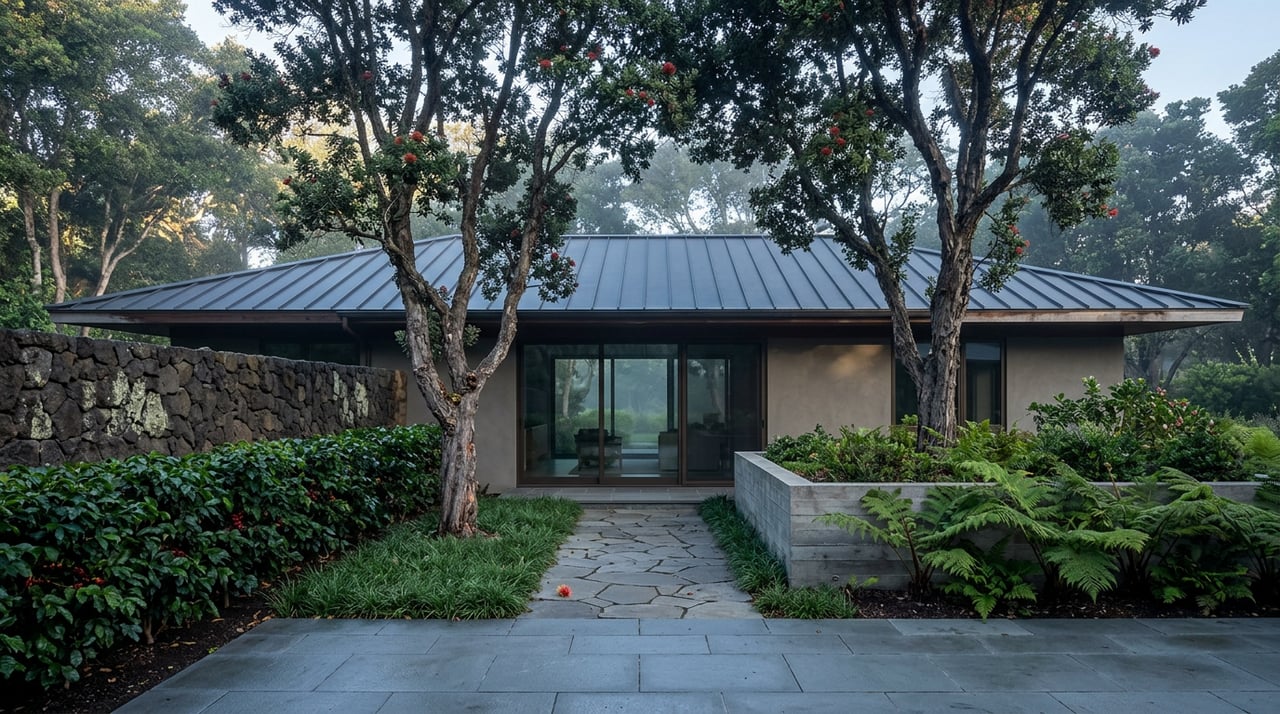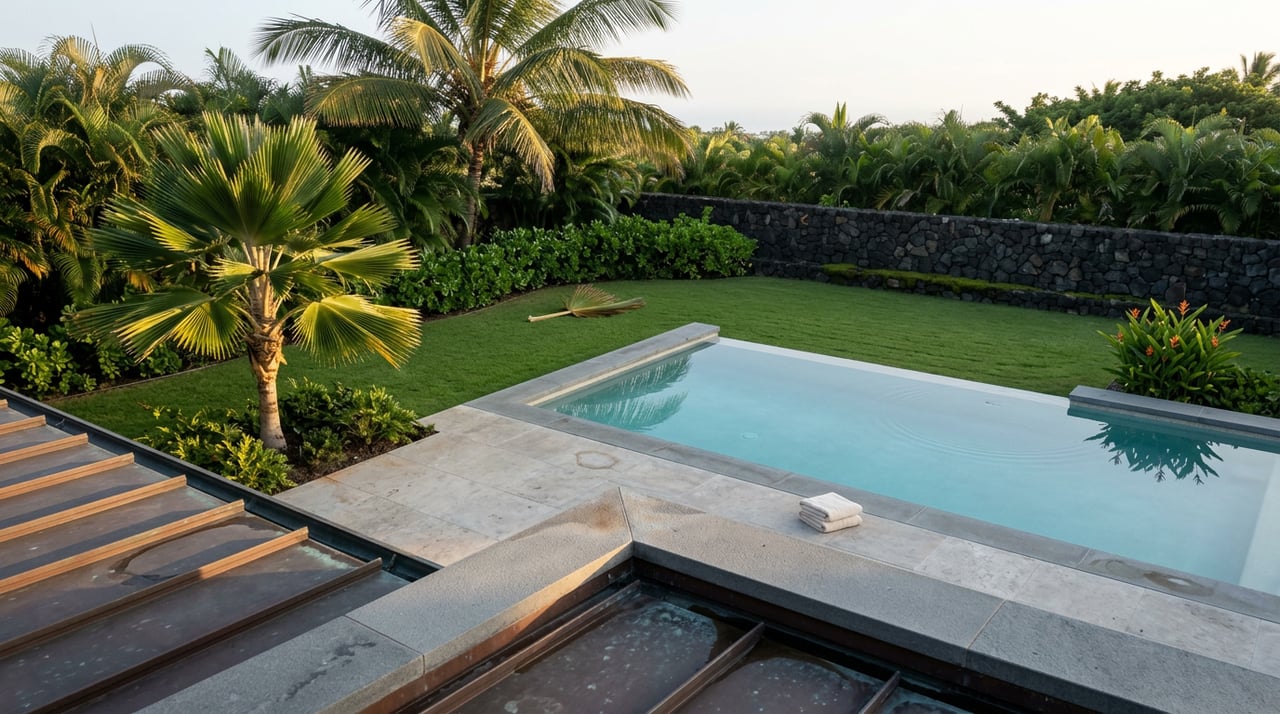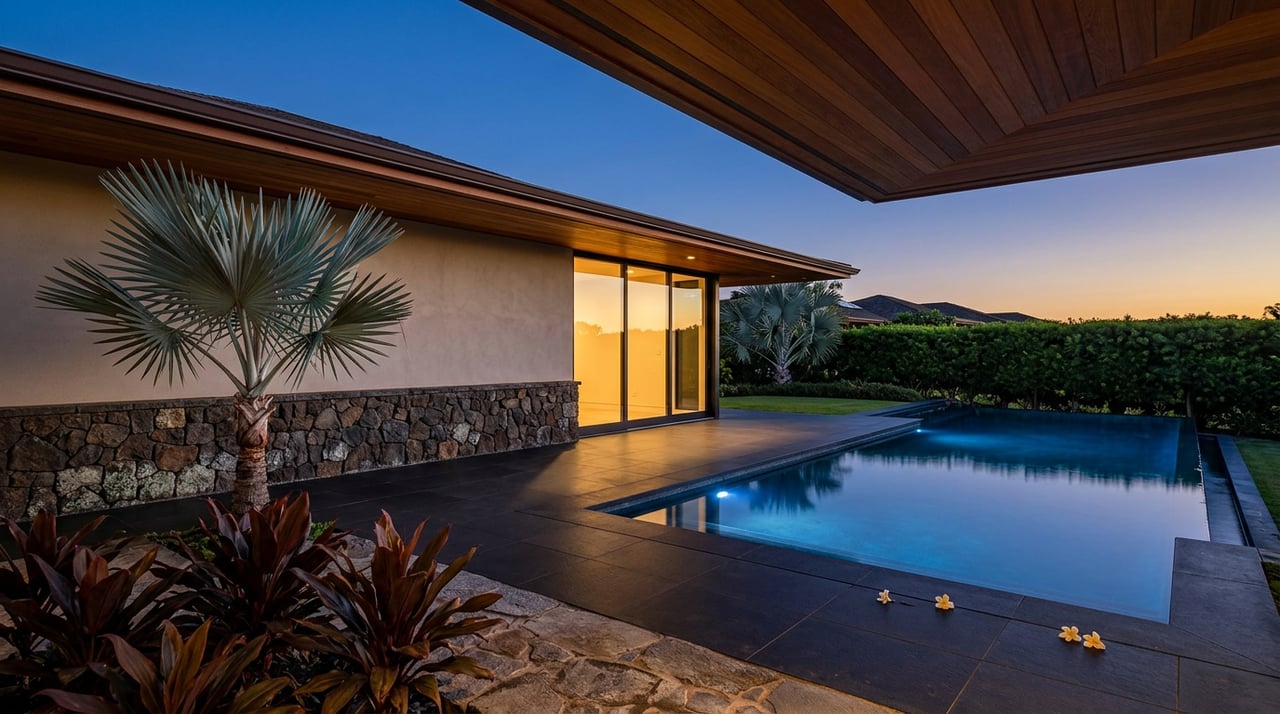
Pull up an MLS search for Kukio on any given week and you'll likely see one listing, maybe two. Sometimes none. For a community this well known on the Kohala Coast, that emptiness reads like a warning sign. Buyers who spend a few minutes scrolling assume the obvious: nobody's selling, nobody's buying, the market's gone quiet.
The data says the opposite. Kukio closed just seven sales in all of 2025, three condominiums and four residences. That's a real number, and it looks thin next to almost any other resort community on this coast. But look at what happened when those seven deals actually closed, and a different story shows up. This is a market that doesn't lack activity. It hides its activity until the very last step of the transaction, the part that shows up on the public record.
The Number That Looks Like a Dead Market
Seven sales in a full calendar year is a small sample by any measure. If you're comparing Kukio to a neighborhood with 40 or 50 closings a year, the instinct is to read that as weak demand or a community that's priced itself out of its own buyer pool.
That instinct misreads what a private equity club community actually is. Kukio is one of the first developments on the Big Island where the golf and beach club itself is owned by its members, not by a resort operator or hotel brand. Membership is limited to property owners, and the inventory of homesites is capped. There are 143 home sites in the core Kukio phase alone, plus the separate Maniniʻōwali and Kaupulehu sections. A finite number of owners in a finite number of homes produces a small number of annual sales almost by definition. Low transaction count here isn't a symptom of a struggling market. It's a structural feature of how the community was built.
Zero Days on Market Is the Real Number
Here's where the story turns. In June 2026, two Kukio residences closed for between $21,500,000 and $21,999,999, averaging $21,750,000, at a median price of $5,038 per building square foot. Both sold with zero days on market.
Zero days on market at that price point doesn't happen by accident. It happens when a buyer and seller have already agreed on terms before the property is entered into the MLS at all. The listing isn't the start of a marketing process. It's the paperwork catching up to a deal that was struck somewhere else, likely through a broker relationship, a referral, or a conversation that started months earlier.
The negotiation still happened, though. Sellers on those two residences averaged 86.35% of the sale-to-current-price ratio, which tells you real back-and-forth took place on price even though the property never sat waiting for a second buyer to show up. A single condominium sale closed the same month for $9,999,999, matching its list price exactly, also with zero days on market, at $3,679 per building square foot.
Put those two data points together and you get the actual mechanism: at Kukio, the negotiation happens privately and the listing exists mostly to satisfy the closing process. If you're watching for a "new listing" alert to tell you something is available, you're watching for a signal that, by definition, arrives after the opportunity has already been decided.
Kukio vs. Hualalai: Same Coast, Different Rhythm
Compare that to Hualalai, the neighboring private resort community anchored by the Four Seasons. Hualalai closed 16 transactions in 2025, seven condominiums and nine residences, more than double Kukio's count in the same period.
| Metric | Kukio | Hualalai |
|---|---|---|
| 2025 transaction count | 7 | 16 |
| Average residence sale price | $21.75M (June 2026 pair) | $15,065,000 |
| Average days on market | 0 | ~10 |
| Sale-to-list ratio | 86.35% (residences), 100% (condo) | 96.63% |
| Price per building sq ft | $5,038 (residence), $3,679 (condo) | $2,654 |
Hualalai's average of about 10 days on market and a 96.63% sale-to-list ratio look much closer to a conventional luxury transaction. A property gets listed, buyers respond within a couple of weeks, and the final price lands just a few percentage points under ask. That's a market you can watch from the outside and reasonably expect to react to in real time.
Kukio's numbers describe something else. Zero days on market paired with a wider gap between list and sale price on the residences suggests the negotiation itself happened off the public record, with the final printed number reflecting a private conversation rather than a public bidding process. Same coastline, same buyer pool in many cases, genuinely different rhythm.
This lines up with the broader pattern on Hawaiʻi Island in 2026. One widely cited midyear luxury market report counted 36 sales above $3 million across the island in the first half of the year, up 5.9% from the same period in 2025, with the median sold price up 26.9%. Big numbers like that get driven by a handful of exceptional transactions rather than a broad wave of activity, and Kukio is exactly the kind of community where a single sale can move a statistic.
The Club Membership Isn't Part of the House
One more piece of friction that catches buyers off guard: owning a home in Kukio does not automatically make you a member of the Kukio Golf and Beach Club. Membership is a separate application, offered to property owners after purchase, with its own deposit and terms that sit outside the real estate transaction entirely.
This matters for how you budget and how you plan your timeline. The purchase price on a Kukio listing tells you what the real estate costs. It does not tell you the full cost of living there the way the brochures describe it, with access to the 18-hole Tom Fazio championship course, the 10-hole short course, the beach club dining, and the ocean sports program. That access is applied for after closing, not included at closing.
One Address Book, Two Sides of the Table
Private club communities like Kukio and Hualalai are typically served by very few on-the-ground real estate offices, sometimes effectively one per community. That concentration means the same office frequently represents both the seller and the buyer on a single transaction, a setup known as dual agency.
Dual agency isn't inherently a problem, and it's legal in Hawaiʻi with proper disclosure. But it's worth understanding before you start touring, because it explains part of why deals move the way they do here. If one office has relationships with most of the sellers in a 143-homesite community, that office also tends to hear about intent to sell well before a listing goes live. That's part of the mechanism behind the zero-days-on-market pattern. The information moved through relationships first, and the paperwork followed.
What This Actually Changes If You're Shopping Kukio
If you're a serious buyer looking at Kukio, treat an empty MLS search as an absence of public information, not an absence of opportunity. A disproportionate share of resort-community transactions in this price range, roughly 60 to 70 percent across Kukio, Hualalai, and Kohanaiki, close in cash, which removes financing contingencies and lets deals move fast once terms are agreed. Combine that with a market where negotiations happen before a listing appears, and waiting for a portal alert puts you several steps behind buyers who already have someone watching the community for them.
A Few Direct Questions
If Kukio shows no active listings this week, does that mean nothing is actually for sale? Not necessarily. Given the pattern of zero-days-on-market closings, it's common for a property to change hands with little or no public marketing period. Working with someone who has visibility into the community, not just MLS access, is the difference between hearing about a property in advance and hearing about it after it closes.
Does buying a home in Kukio include club membership? No. Membership is a separate application process available to property owners after purchase, with its own deposit and terms outside the real estate sale.
Why do sale prices at Kukio sometimes land well under the original ask, even with zero days on market? Because the negotiation happened before the listing was entered, not after. A sale-to-list ratio like the 86.35% seen on the June 2026 residence sales reflects private back-and-forth, not a property sitting unsold while buyers walked away from the number.
Kukio rewards buyers who understand it's a relationship market wearing an MLS listing as a formality. If you're weighing Kukio against Hualalai, Kohanaiki, or another Kohala Coast community and want someone to walk you through what the numbers actually mean before you tour, Hawaii 5 0 Realty is a phone call away. Call Donna or Jonathan for a Kona real estate consultation.