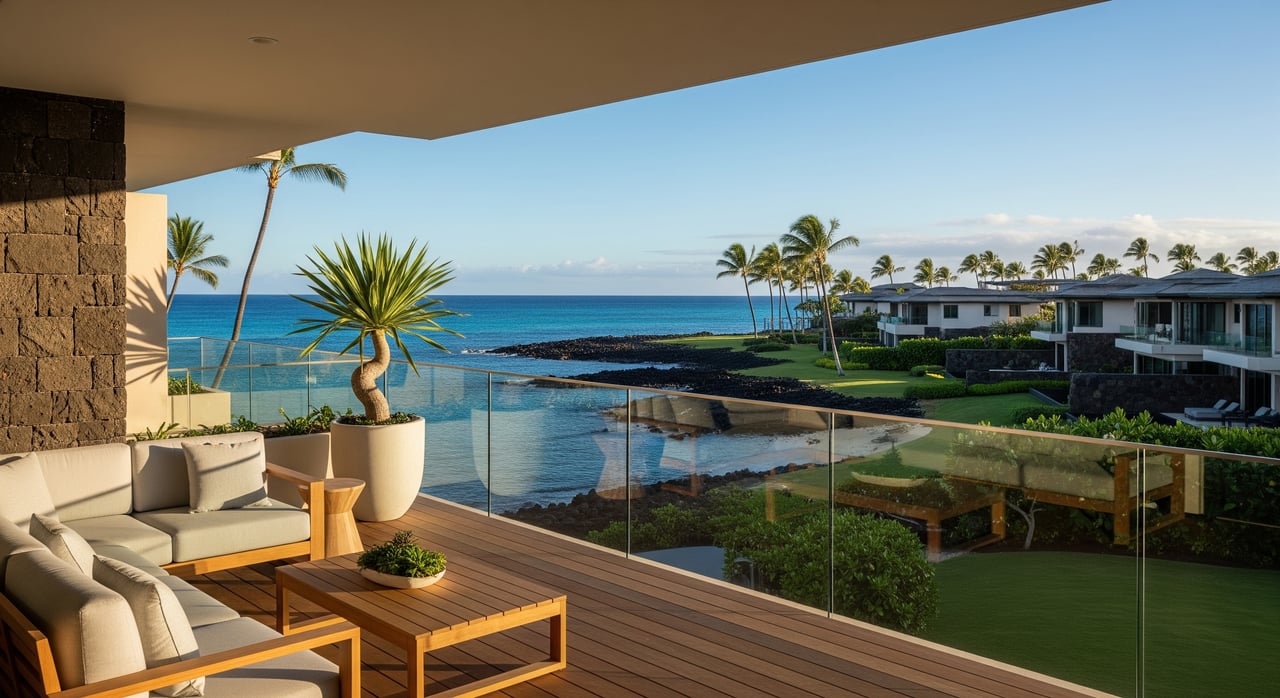
Trying to decide between a condo at Waikoloa Beach Resort or a single‑family home in Waikoloa Village? You are not alone. Buyers often weigh walkable beach living and rental potential against space, privacy, and long‑term control. In this guide, you will compare the real pros and cons in Waikoloa so you can choose with confidence. Let’s dive in.
Waikoloa at a glance
Waikoloa has two main lifestyles. Along the coast, Waikoloa Beach Resort offers resort‑style condos close to shops, dining, golf, and Anaeho‘omalu Bay. Inland at a higher elevation, Waikoloa Village offers mostly single‑family homes on larger lots with a quieter residential feel.
Condos in the resort appeal to part‑time residents and investors who value convenience and low hands‑on maintenance. Homes in the village tend to attract full‑time residents and buyers who want more space, a yard, and freedom to personalize their property.
Condo living in Waikoloa Beach Resort
What you gain
- Walkable access to Queens’ Marketplace, Kings’ Shops, restaurants, beaches, and golf.
- On‑site amenities like pools and shared recreation that you do not have to maintain yourself.
- HOA coverage for many exterior items and common areas that keeps day‑to‑day upkeep light.
- A setup that often supports short‑term rentals, which can help offset carrying costs.
What to watch
- Monthly HOA fees vary by complex and amenity level and can run from several hundred to over a thousand dollars per month.
- Special assessments are possible if reserves are not sufficient for big projects.
- HOA rules control what you can change, how you rent, and even parking and guest use.
- Coastal location means more salt exposure for metal, finishes, and HVAC equipment.
Who it fits
- You want a lock‑and‑leave property near the beach with minimal personal maintenance.
- You are planning part‑time use and may pursue short‑term rental income when you are away.
- You like having amenities and services close at hand.
Single‑family homes in Waikoloa Village
What you gain
- More privacy, interior and exterior space, and control over improvements.
- Yards for outdoor living, gardening, and future projects, subject to local rules.
- A quieter residential setting at a slightly cooler, drier elevation.
- Often more straightforward financing compared with some condo projects.
What to watch
- You handle all maintenance, landscaping, pest control, and any pool care.
- Budget for ongoing upkeep and bigger items over time. A common rule of thumb is 1 to 3 percent of property value each year, adjusted for coastal exposure and age.
- Termites and wood‑boring pests require regular inspection and treatment programs.
- You will drive to beaches, shopping, and resort amenities.
Who it fits
- You plan full‑time living or extended stays and want space and privacy.
- You prefer fewer HOA constraints and the ability to customize.
- You are comfortable managing or outsourcing maintenance directly.
Cost and maintenance differences
HOA and dues for condos
In Waikoloa Beach Resort, HOA fees typically cover common‑area landscaping, pools, exterior building maintenance, and often trash, water or sewer, and internet or cable infrastructure. The benefit is predictable monthly costs and less personal responsibility for exterior upkeep. The tradeoff is the possibility of special assessments and the need to follow HOA rules on renovations and rentals.
Owner obligations for homes
For single‑family homes, you directly budget for everything from roof and exterior paint to irrigation, pest control, and any pool systems. Many owners set aside a reserve for larger items like roofing or HVAC replacement. Detached structures and larger lots can also influence insurance costs.
Salt air and climate impact
Coastal areas face more salt spray, sun, and humidity. Expect faster corrosion of railings, fasteners, and A/C components, plus more frequent repainting. Higher elevation neighborhoods are typically a bit cooler and drier, which can ease some wear, though irrigation planning becomes more important for landscaping.
Rental use and rules
Short‑term rentals in resort areas
Many resort condos in Waikoloa are built with short‑term rentals in mind and may be part of hotel or vacation programs. Each community sets its own policies, including minimum stays and on‑site management options. Single‑family neighborhoods have a wider range of rules. Some areas allow short‑term rentals, while others restrict them.
Taxes and compliance
If you plan to rent short term, you must register and collect Hawaii state taxes. That includes General Excise Tax and Transient Accommodations Tax. Hawaii County also requires compliance with local short‑term rental rules and registration. Regulations can change, so verify requirements for the specific property and zoning before you buy.
Income and management
Resort condos near beaches and shopping often achieve higher nightly rates during peak seasons. Occupancy is seasonal and depends on competition and marketing. Professional managers commonly charge 20 to 40 percent of gross revenue, plus cleaning and platform fees. Your net yield will depend on occupancy, HOA costs, management fees, utilities, and taxes.
Financing, insurance, and taxes
Financing differences
Condos can have extra lender requirements. Lenders review HOA reserves, any litigation, owner‑occupancy ratios, and whether the project fits condo financing guidelines. Some resort‑oriented projects are simpler to finance than others. Single‑family homes often have more straightforward financing, though investor loans may require higher down payments.
Property tax classes
Hawaii property taxes depend on assessed value and the county’s use class, such as residential or hotel. Rates and programs can differ by classification. Check the current class and any eligibility for exemptions or changes in use that might affect future bills.
Insurance basics
Coastal properties can be more expensive to insure. Condos have a master policy for the building and common areas, while you insure interior finishes, contents, liability, and potential loss of income if you rent. Single‑family homes require full structure coverage. Flood and earthquake coverage are often separate policies and may be required by a lender based on FEMA flood zones.
Risks and due diligence
Coastal hazards and flood
Some resort properties sit in FEMA Special Flood Hazard Areas. That can influence insurance costs and lender requirements. Sea‑level rise and coastal erosion represent long‑term risks that may affect permitting or resale. Review flood maps and ask for any elevation certificates available for the specific property.
Zoning and permitted use
Confirm county zoning and the resort or master‑plan rules for your intended use. Short‑term rental rules can vary by parcel, and some resort complexes have unique governance under hotel or resort zoning. Always verify what is allowed before you count on rental income.
Utility and infrastructure
Electric service is provided by Hawaiian Electric on the Big Island. Local rates and A/C demand affect monthly costs, especially for vacation rentals. Water systems differ between the resort and the village, so confirm the provider and any separate fees.
Quick checklist before you buy
For condos
- Get the current HOA fee and clear list of what it covers.
- Review the latest reserve study and any recent or pending special assessments.
- Read HOA minutes and financials for the past 12 to 24 months and check for litigation.
- Confirm rental rules, minimum stays, and management options.
- Understand the master insurance policy and what you must insure in‑unit.
- Ask for rental performance samples if short‑term rentals are common.
- Verify lender requirements and whether the project is financeable with your loan type.
For single‑family homes
- Inspect the roof, exterior finishes, HVAC, plumbing, and electrical systems.
- Get a termite inspection history and current treatment plans.
- Review typical utility costs for electricity, water, and sewer.
- Confirm property boundaries, easements, and access rights.
- Check the FEMA flood zone and ask for an elevation certificate if available.
For both
- Review actual tax bills and assessment trends.
- Confirm zoning and permitted uses for your intended stay and rental plans.
- Consider proximity to emergency services and hospitals.
- For condos, confirm parking allocations and guest parking rules.
- Plan for GET and TAT registration and reporting if you will rent short term.
How to choose what fits you
Start with how you will use the property over the next five to ten years.
- If you prioritize walkability to the beach, on‑site amenities, and low hands‑on upkeep, a resort condo can be a great fit. It can also support short‑term rental income when you are not on island.
- If you want privacy, space, a yard, and the ability to customize freely, a single‑family home in Waikoloa Village may match your lifestyle better.
Then, map out costs. For condos, stack HOA dues, potential assessments, and any rental management charges. For homes, set aside a maintenance reserve and add line items for landscaping, pest control, and larger replacements over time. Finally, check zoning and rental rules before you count on income.
As a locally rooted team, we help you weigh these tradeoffs with real numbers, nuanced HOA insights, and practical management options if you are buying from the mainland. When you are ready to compare specific communities and properties in Waikoloa, reach out to Jonathan Kiger for personal guidance.
FAQs
What is the main lifestyle difference in Waikoloa?
- Resort condos place you steps from beaches, shops, and golf, while Waikoloa Village homes offer more space and privacy in a quieter residential setting.
Are Waikoloa Beach Resort condos good for short‑term rentals?
- Many are designed for vacation use and allow short‑term rentals, but each HOA sets rules, so verify minimum stays, management options, and any restrictions before you buy.
Do single‑family homes cost more to maintain than condos?
- Day‑to‑day, condos shift exterior maintenance to the HOA, while homes require owner‑managed upkeep and a larger reserve for repairs and replacements over time.
How do Hawaii taxes work for vacation rentals?
- Short‑term rentals must register and collect state taxes that include GET and TAT, and they must comply with Hawaii County registration and rules.
Is condo financing harder in Waikoloa?
- Lenders place extra requirements on condo projects, including HOA financial health and litigation status. Many well‑managed complexes are financeable, but confirm early with your lender.
What climate risks should I plan for near the coast?
- Expect salt‑air corrosion, sun exposure, and potential flood risk in some areas. These factors can affect maintenance schedules, insurance needs, and long‑term planning.
What insurance do I need for a condo vs a home?
- Condo owners rely on the building’s master policy for the structure and insure interiors and contents. Homeowners insure the full structure, with separate flood or earthquake policies if required.