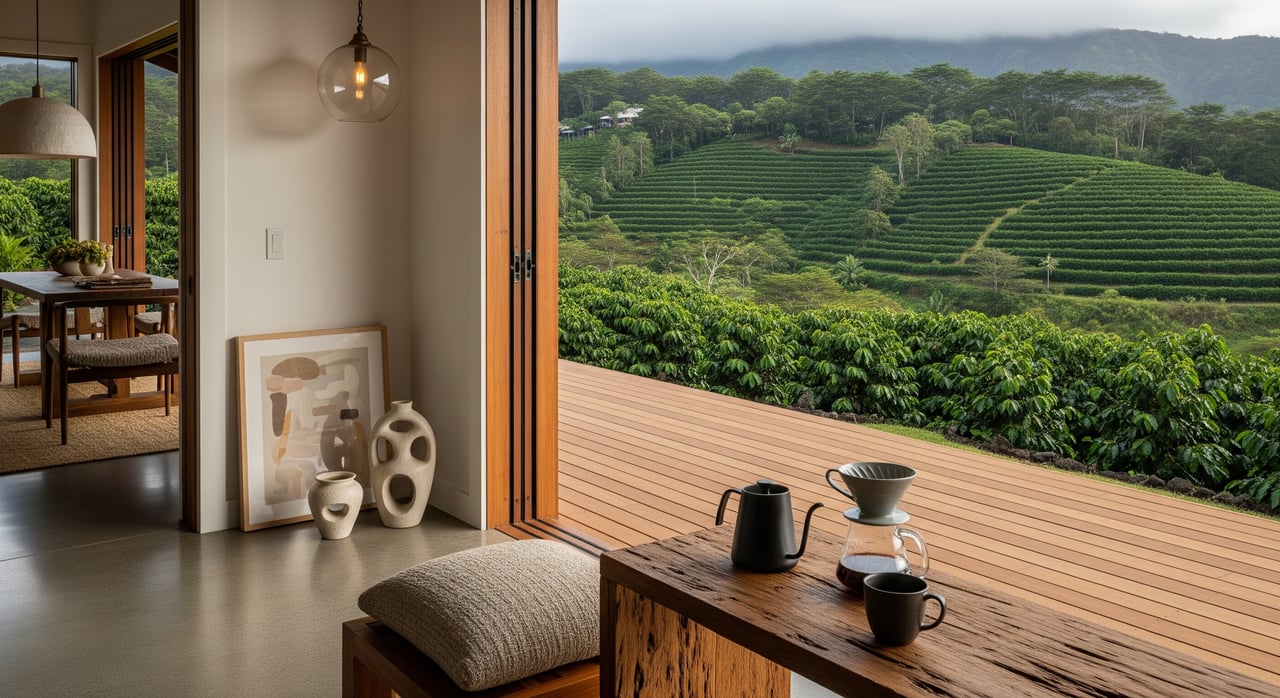
Craving cooler breezes, ocean views, and a creative, small-town feel above the Kona coastline? If you’re drawn to the idea of strolling past coffee trees and popping into working studios, Holualoa might be calling your name. You want quiet, character, and room to breathe without losing access to Kona’s everyday essentials. This guide walks you through what life looks like up mauka, plus what to check before you buy. Let’s dive in.
Holualoa at a glance
Holualoa sits on the leeward slope of Hualālai in North Kona, up mauka from the coast. The area blends small coffee farms, family-run businesses, and artist studios with a slow, welcoming pace. A cluster of galleries and shops near Mamalahoa Highway is often called Holualoa Village and forms the community’s walkable hub.
You’ll find a rural vibe with privacy, greenery, and views. Many people choose Holualoa for cooler temperatures than the shore, a connection to agricultural land, and the creative energy of the arts community.
Daily life and access
Roads and commute
Mamalahoa Highway (Route 11) ties Holualoa to Kailua-Kona and points south. Local roads can be narrow and winding, and actual drive times vary by your exact location and time of day. Many residents commute to Kailua-Kona for work, shopping, and services. Use current mapping tools for realistic drive times to town or Ellison Onizuka Kona International Airport.
Services and essentials
Holualoa has limited commercial services day to day. You’ll likely head to Kailua-Kona for full supermarkets, larger medical clinics, and hospital resources. County emergency services serve the area, though response times can vary in rural settings.
Schools
Holualoa includes an elementary school in or near the community. Middle and high school students typically attend schools in nearby Kona communities. Always confirm current school assignments with the Hawaii State Department of Education.
Homes and land you’ll see
Holualoa’s housing leans rural and low-density. Expect a mix of:
- Historic plantation-era cottages and modest ranch homes
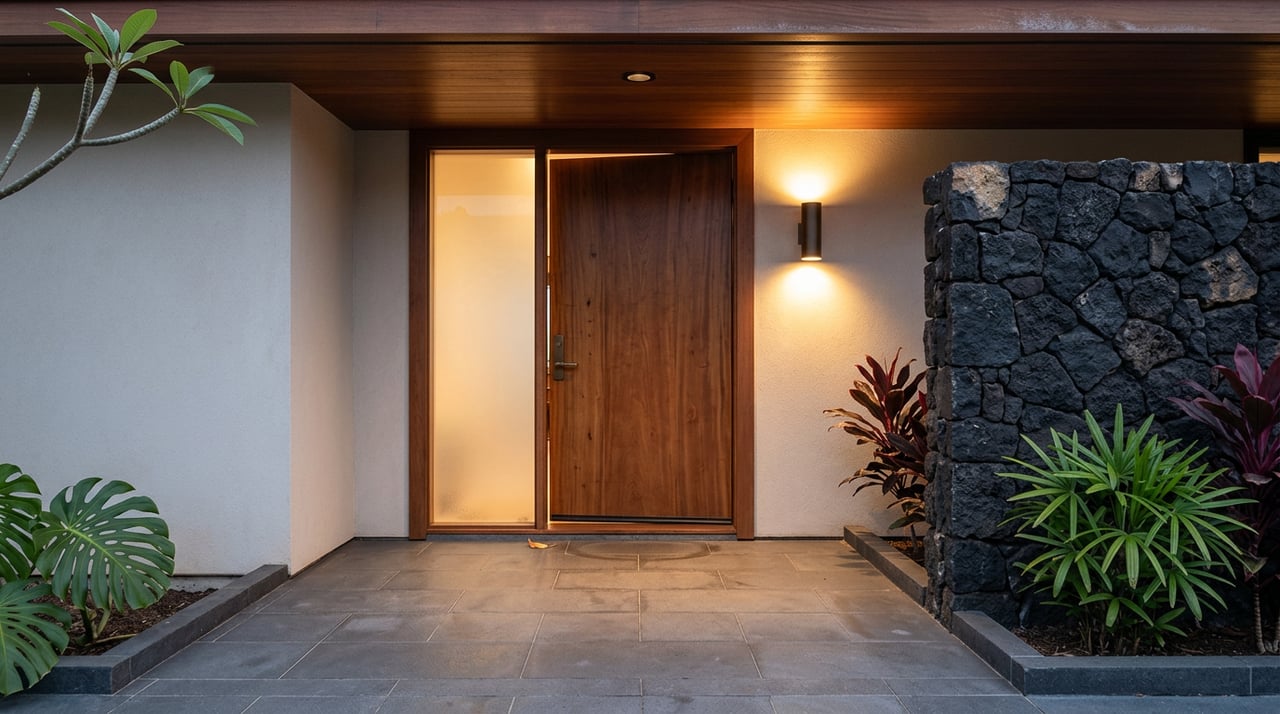
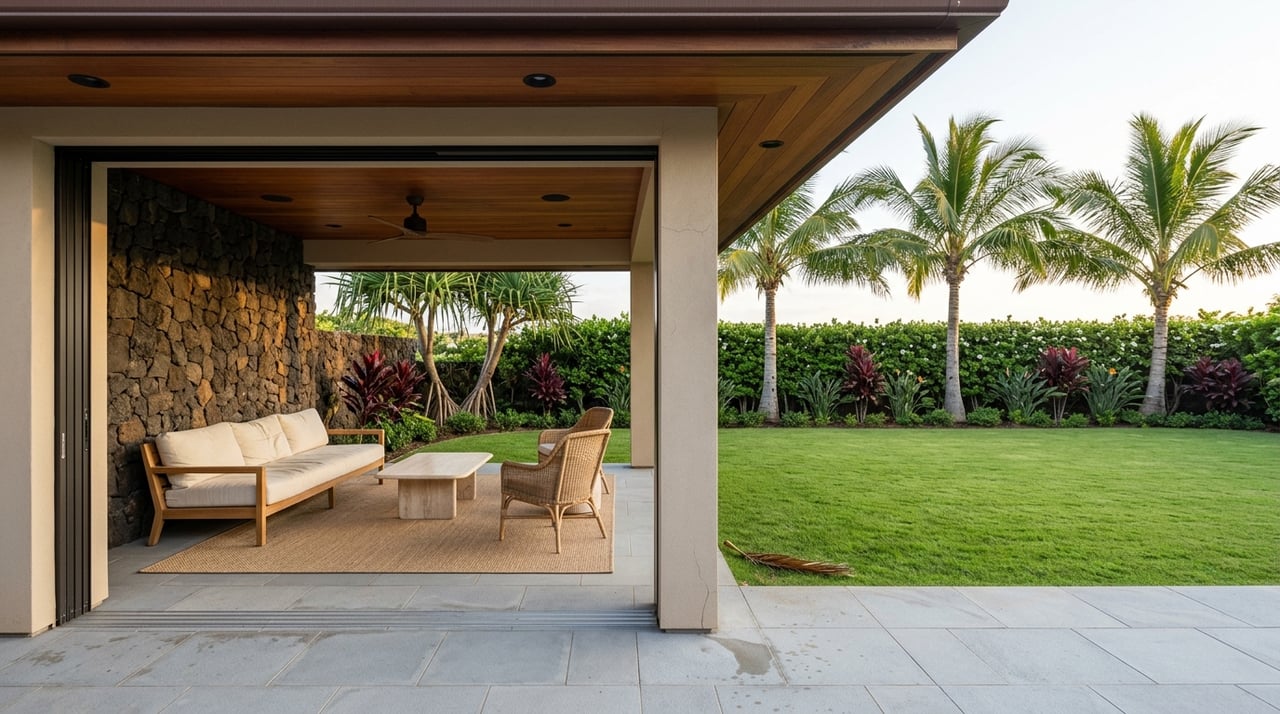
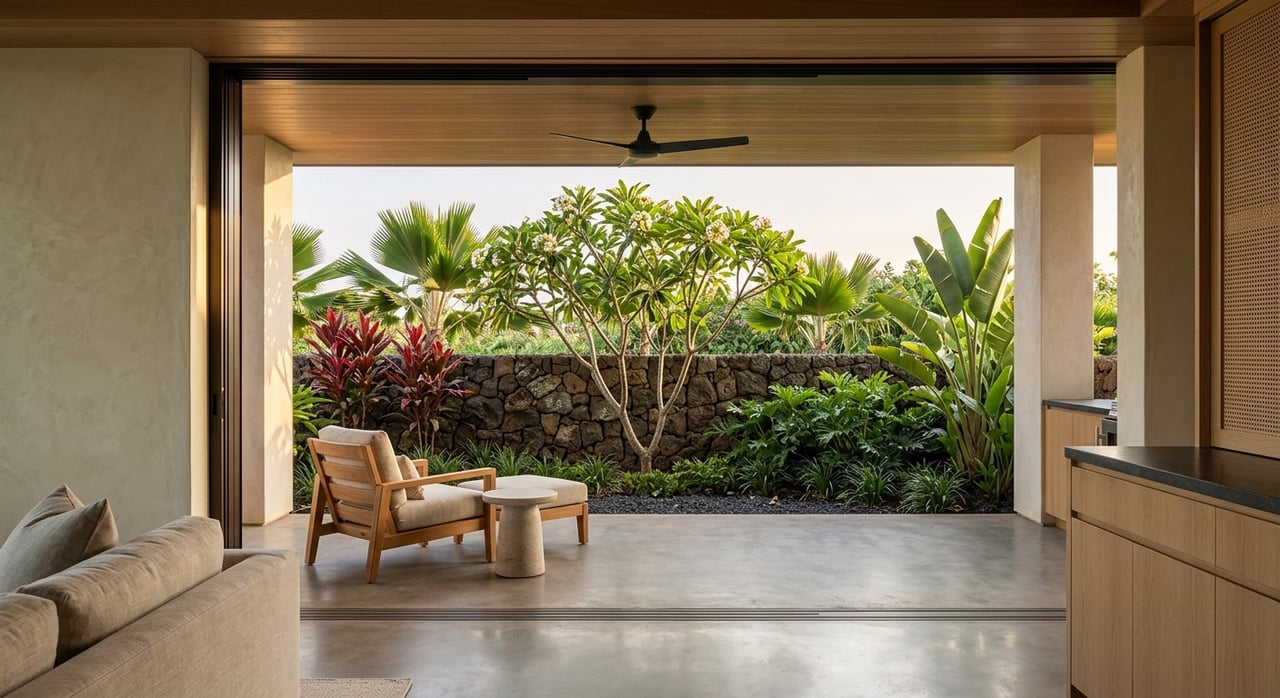
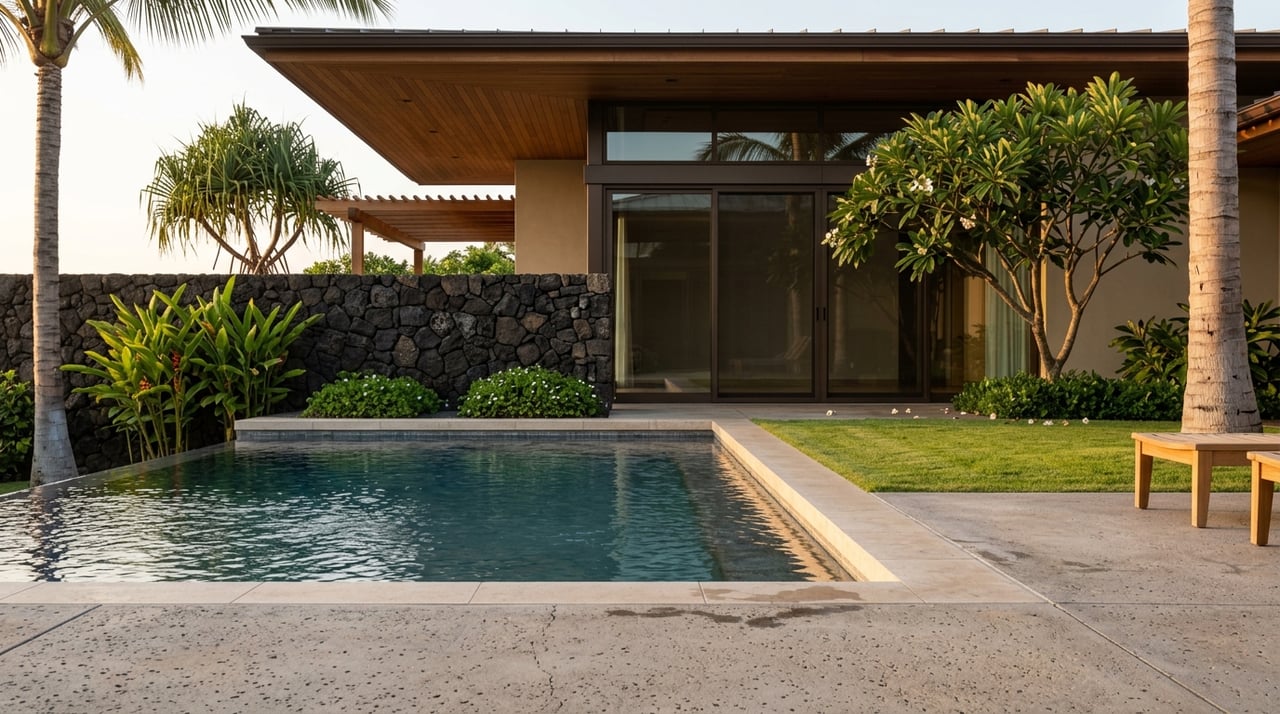
- Custom homes with ocean and sunset views
- Small coffee farms and acreage used for coffee and tropical fruit
Condominiums or large multifamily developments are less common within Holualoa proper. Parcel sizes vary widely, from half-acre to multi-acre properties.
What drives value
- Ocean and sunset views and the mauka–makai orientation
- Parcel size and usable acreage
- Road access and driveway condition
- Water source, such as county water versus catchment cistern
- Condition of the home and outbuildings
- Crop potential if you plan to grow coffee or other produce
Land use, zoning, and taxes
Much of Holualoa is zoned agricultural or rural. Agricultural classification can influence allowable uses, subdivision potential, and property tax treatment. If a parcel is in productive agriculture and meets county requirements, it may qualify for agricultural tax rates.
Before you write an offer, verify the zoning, setbacks, and any recorded easements. Agricultural zoning can shape what you can build, how you can use the land, and how lenders view the property.
Utilities and connectivity
Water sources vary. Some homes connect to the Hawaii County Department of Water Supply, while many rural parcels rely on roof catchment cisterns or private wells. Confirm capacity, condition, and permits.
Sewage is typically septic. Ask for system age, maintenance records, and sizing. Electricity service is provided by Hawaiian Electric, and rates can be higher than many mainland markets. Internet and cell coverage are variable; some addresses have wired options, while others use fixed wireless, DSL, satellite, or mobile hotspot. Check the specific address for current options and speeds.
Inspections and due diligence
Plan on standard home inspections plus a few rural-specific checks. A thoughtful approach up front can save surprises later.
Recommended checks:
- Water source testing for bacterial and mineral content
- Septic inspection and pumping records
- Roof and structural evaluation, especially for older post-and-beam homes
- Termite and pest inspection
- Road and access condition, including private versus county-maintained roads
- Boundary confirmation and survey for acreage parcels
- Documentation for any agricultural classification or leases tied to the property
Weather, environment, and farm realities
Upcountry Holualoa is cooler than coastal Kona, with more cloud cover and moisture that suits coffee cultivation. When volcanic activity occurs in the region, emissions known as vog can affect air quality. Tsunami exposure is lower relative to the coastline due to elevation, though local drainage and flood risk should still be reviewed by parcel using FEMA maps.
If you plan to farm, understand that pests and plant diseases can impact yields. Elevation, slope, soil, shading, and water access all factor into crop success. Local agriculture guidance and experienced Kona coffee growers can help you assess a property’s potential.
Coffee and art lifestyle
Coffee is part of the fabric of daily life here, from farm tours to tastings and small-lot roasters. Holualoa is also known for its working artist studios and galleries. Open-studio nights and seasonal art events are common, though schedules change throughout the year, so you’ll want to check current listings.
You’re close enough to enjoy Kona’s beaches, snorkeling, and golf on day trips while returning to quiet evenings under the trees. Farmers’ markets in Kona and local farm stands supply fresh produce and island-made goods.
Smart buying steps in Holualoa
- Team up with a local agent who knows Holualoa’s roads, water options, and zoning nuances.
- Request recent comparable sales and days-on-market trends for similar parcels.
- Confirm water source, septic details, electrical connection, and broadband options at the address.
- Get loan guidance early, especially if the property is agricultural or off-grid.
- Review zoning, setbacks, easements, and any road maintenance agreements.
- Verify any agricultural classification, production records, or leases tied to the land.
- If you want to farm, assess elevation, aspect, and pest history and speak with local experts.
Costs to plan for
Budget for island realities and rural upkeep so your monthly numbers stay comfortable.
- Electricity costs that can be higher than many mainland areas
- Homeowners insurance tailored to local weather risks; flood coverage depends on FEMA zone
- Septic maintenance and potential upgrades
- Cistern maintenance and water quality testing if on catchment
- Private road or driveway maintenance where applicable
- Pest control for termites and invasive species
- Property taxes based on county classifications and your use of the land
Is Holualoa right for you?
If you want privacy, views, and connection to the land without resort crowds, Holualoa offers a special upcountry lifestyle. You trade walkable big-box convenience for quiet mornings, artful afternoons, and the daily rhythm of coffee country. With the right property and a solid plan for utilities, maintenance, and inspections, living up mauka can feel both grounded and inspiring.
Ready to explore properties, compare parcels, or set up showings tailored to your lifestyle? Call Donna or Jonathan Kiger for a Kona real estate consultation.
FAQs
What is living in Holualoa like on a day-to-day basis?
- Expect a rural, slower pace centered on small coffee farms, artist studios, and a village hub, with most major shopping and services in nearby Kailua-Kona.
Are there many condos in Holualoa, or mostly homes and acreage?
- Housing is mainly fee-simple single-family homes and small farms on varied parcel sizes, with fewer condominium or large multifamily options in Holualoa proper.
How reliable are utilities for homes in Holualoa?
- Reliability varies by address; verify county water versus cistern or well, septic system condition, electrical service, and internet options before you buy.
Is Holualoa a good place to grow coffee for a hobby farm?
- Many parcels sit in Kona coffee country, but success depends on elevation, slope, soil, water access, and pest history; assess each property’s microclimate.
What should I inspect when buying a rural Holualoa property?
- Include water testing, septic inspection, roof and structure review, pest check, road/access condition, boundary survey, and any agricultural documentation.
How long is the commute from Holualoa to Kailua-Kona or the airport?
- Drive times depend on your exact location and traffic on Mamalahoa Highway; use current mapping tools for realistic estimates at your typical travel times.