Trying to choose between a villa and a home at Mauna Kea? It sounds simple until you realize that the word villa does not always tell you how a property is owned, maintained, or insured. If you want the right fit for your lifestyle, privacy preferences, and long-term plans, the details matter. Let’s dive in.
Start With Ownership Structure
At Mauna Kea, the biggest mistake you can make is assuming that a villa is one type of property and a home is another. In this resort setting, villa can be a marketing term rather than a legal category. That means two properties with a similar luxury feel can come with very different rules and responsibilities.
The official Mauna Kea residences information describes The Villas at Mauna Kea as 2 to 4 bedroom residences, while other communities are described as homes, estates, or single-family neighborhoods. At the same time, Hawaii's DCCA condominium registry lists Villas at Mauna Kea as an association of unit owners. That is a strong sign that you should verify the declaration, title type, and association documents before you assume anything about the property.
Why This Matters to You
Ownership structure affects more than paperwork. It can shape your maintenance duties, insurance needs, voting rights within the association, and even how you use the property over time. If you are comparing villas and homes at Mauna Kea, this is one of the first things to confirm.
A good rule of thumb is simple: do not buy based on the label alone. Buy based on the title structure, governing documents, and how the property will work for your day-to-day life.
Compare Maintenance Responsibilities
For many buyers, maintenance is where the villa versus home decision becomes clearer. Condo-style ownership in Hawaii usually means the association handles common elements, while you handle the interior of the unit. Depending on the declaration, you may also be responsible for limited common elements such as lanais, private yards, or front doors.
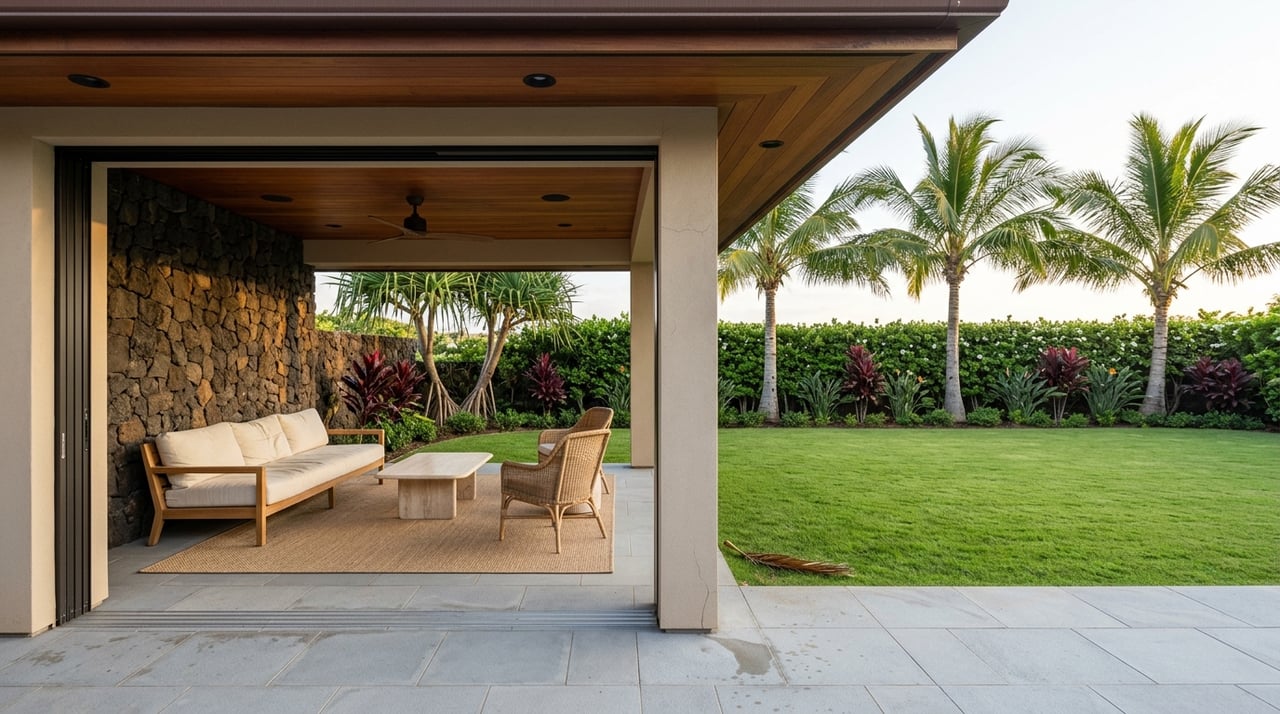
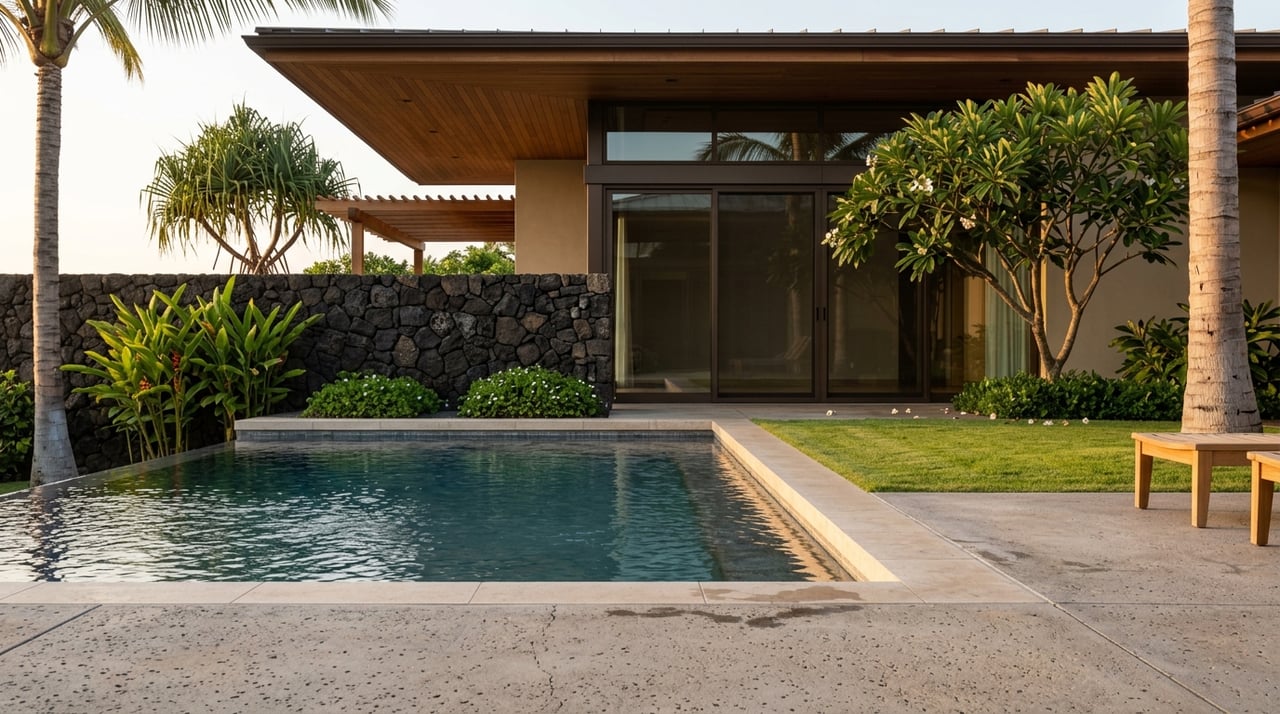
That can make a villa feel more streamlined than a standalone home, but it does not mean zero upkeep. At Mauna Kea, even villa-style residences can include substantial private features. One resort example, Villas at Mauna Kea #36, includes a private deck, pool, BBQ area, washer and dryer, and a private garage.
What Villa Ownership May Feel Like
If you want a lock-and-leave property inside an amenity-rich resort, a villa may appeal to you. In many cases, you may have less exterior oversight than you would with a standalone house. Still, you should expect some level of responsibility for private spaces and improvements, depending on the project documents.
This is why monthly fees should never be judged by the number alone. The better question is what those fees actually cover.
What Home Ownership May Feel Like
Standalone homes usually place more day-to-day upkeep on you. That can include landscaping, exterior surfaces, private pools, and other outdoor features, although exact responsibilities still depend on the HOA or subdivision rules.
At Mauna Kea, communities described as homes or single-family neighborhoods often signal a different ownership experience. Fairways South is described as a neighborhood of homes, Hapuna Estates as private homes with private pools, and Moani Heights as a single-family neighborhood. If you want more control over the property, that can be a plus. If you want less to manage, it may feel like more work than you want.
Think About Privacy and Space
It is easy to assume that a house always offers more space than a villa, but that is not always true at Mauna Kea. In fact, square footage alone may not help you make the best decision. A 2-bedroom villa example at Mauna Kea is listed at 2,683 square feet, while a 4-bedroom South Fairways home example is listed at 2,628 square feet.
That comparison shows why the better lens is not just size. It is how the property is configured and how you plan to live in it.
Villas Often Fit Flexible Living
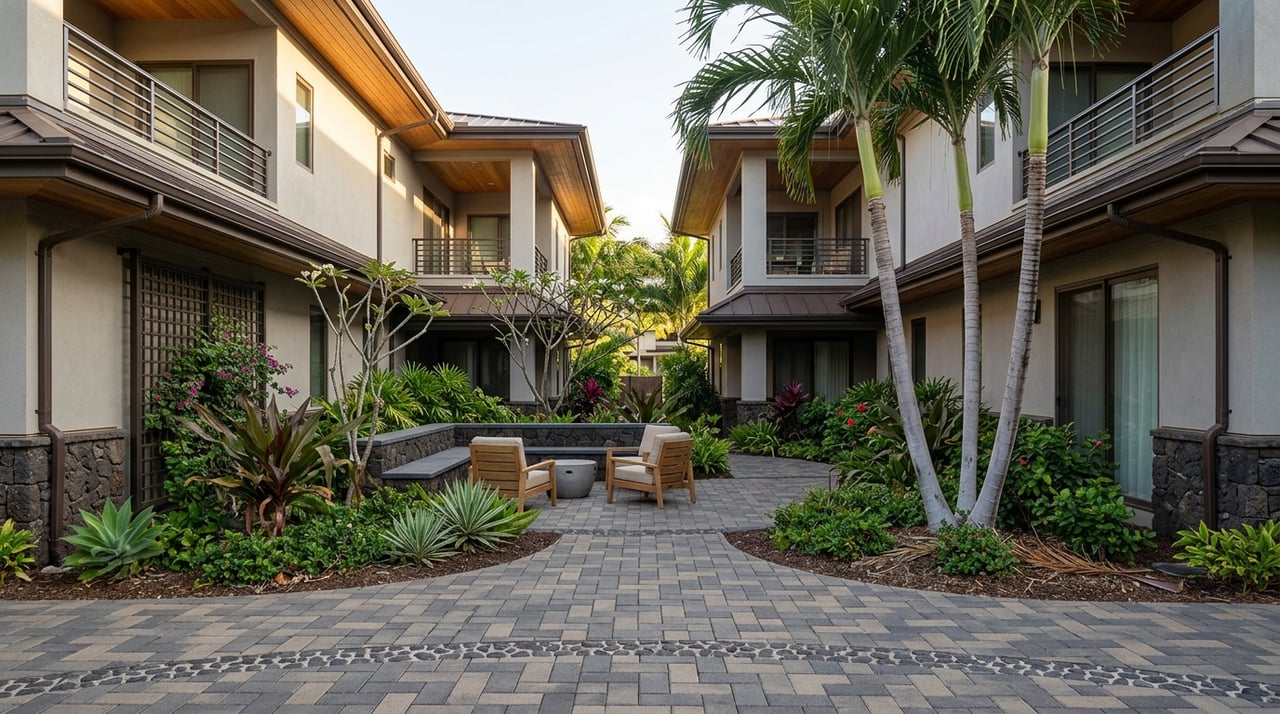
Villa-style residences can work well if you want enough room for family or guests without taking on the full footprint of a detached property. Mauna Kea Residences notes that villa residences can be a strong fit for multigenerational families or couples traveling together. That matches what many second-home buyers are looking for: comfort, privacy, and easier logistics.
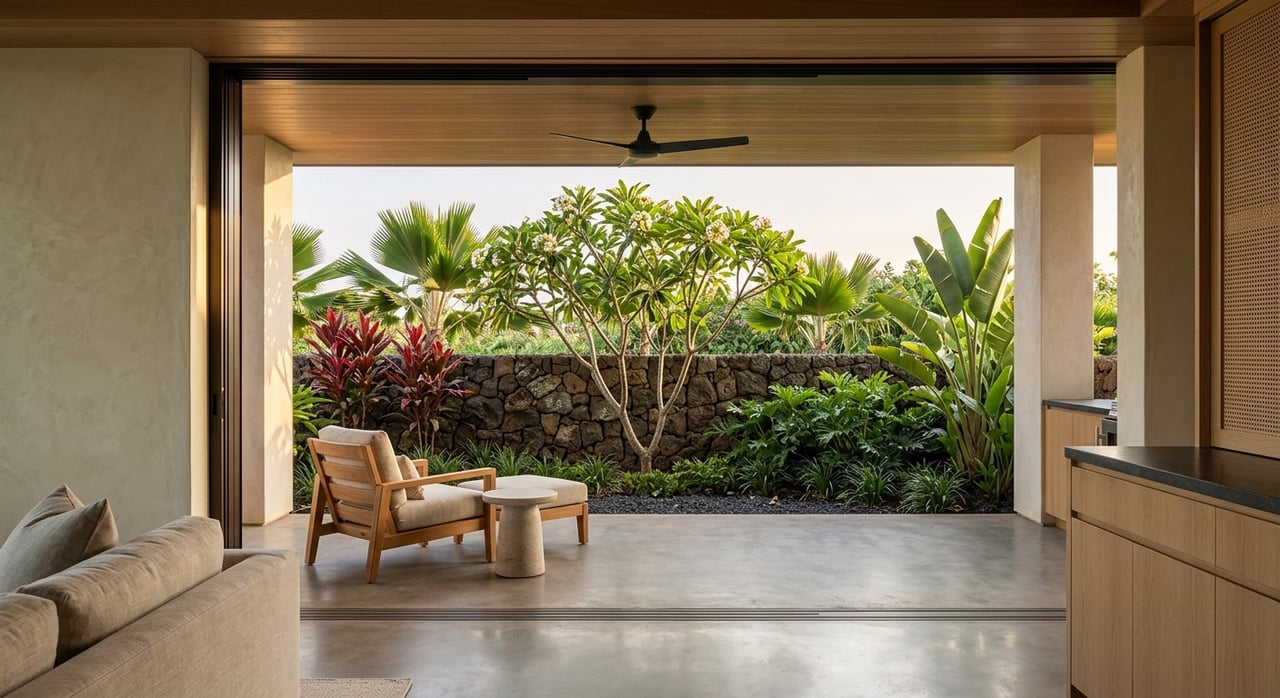
If you are coming from the mainland or using the property part time, that lower-friction setup can be especially appealing. You may still have generous indoor-outdoor living, but with a more structured ownership model.
Homes Often Offer More Separation
Homes tend to attract buyers who want more privacy, more entertaining space, and more control over the setting. Larger lots, greater separation from neighbors, and more secluded placement within the resort can all shape that experience.
Within Mauna Kea, communities such as Kauna‘oa, The Bluffs, and Hapuna Estates emphasize seclusion, elevation, or larger lots. If your ideal day includes quiet mornings, expansive outdoor living, and a stronger sense of retreat, a home may align better with that vision.
Consider Resort Access and Daily Convenience
One of Mauna Kea’s biggest draws is the lifestyle itself. The resort says private residences can enjoy access to white-sand beaches, an oceanside tennis club, swimming pools, fitness centers, championship golf courses, restaurants, and two spas. Yearly club membership is offered to homeowners and local kama‘aina, with access tied to both Mauna Kea Beach Hotel and The Westin Hapuna Beach Resort.
In practice, the difference between villas and homes is often not whether you can enjoy the resort lifestyle. It is how directly your property connects to it.
Villas May Feel More Connected
Some villa options are within walking distance of golf, beach areas, shopping, and restaurants. That can make everyday resort living feel easier, especially if you want to arrive, settle in, and spend less time driving within the resort.
There is also an evening dining shuttle between the two hotels. That helps connect the resort experience even if your residence is not right next to the hotel core.
Homes May Feel More Removed
Some home neighborhoods offer more seclusion or elevation, which can create a more private feel. That can be ideal if you value a quieter setting over being close to every activity.
Neither option is better across the board. It comes down to whether you want convenience and proximity, or privacy and separation.
Review Rental Plans Early
If you are thinking about renting the property, this is an area to address before you get too far into the search. Hawaii County regulates short-term vacation rentals, including where they are allowed and how the permit process works. The county also outlines the role of existing Nonconforming Use Certificates, often called NUCs.
That means rental potential should never be assumed based on resort location alone. If rental use matters to you, verify whether the property is eligible under current Hawaii County rules and whether any existing permit or NUC is already in place.
Why Early Verification Helps
A property can be a great lifestyle fit and still miss the mark for your investment goals. If you want a second home with occasional rental use, the county framework should be part of your evaluation from the start.
This is also where local guidance matters. Clear answers up front can save you time, money, and frustration later.
Questions to Ask Before You Decide
When you compare villas and homes at Mauna Kea, these are some of the most useful questions to review:
- What is the legal title type: condominium, townhouse, or single-family?
- Is the project listed as an association of unit owners?
- What do the HOA or association fees cover?
- Who is responsible for landscaping, exterior maintenance, pools, lanais, and insurance?
- Which amenities are included automatically, and which require club membership or guest status?
- How close is the property to the beach, golf, dining, and hotel areas?
- Is there walk access or shuttle convenience?
- If you plan to rent, is the property eligible under Hawaii County short-term rental rules?
These questions help you compare the real experience of ownership, not just the finish level or brochure language.
Which Choice Is Best at Mauna Kea?
The best choice is usually the one that matches your lifestyle rather than the one with the more impressive label. If you want simpler ownership, easier part-time use, and strong resort connectivity, a villa may be the better fit. If you want more privacy, more control, and a more independent property experience, a home may make more sense.
At Mauna Kea, luxury exists in both categories. The smarter move is to look past the name and focus on maintenance load, privacy level, amenity access, rental goals, and legal structure.
If you want help comparing specific Mauna Kea properties, Jonathan Kiger can help you sort through the details and find the right fit for the way you want to live on the Big Island.
FAQs
What is the difference between a villa and a home at Mauna Kea?
- At Mauna Kea, a villa may be a marketing label rather than a legal ownership category, so you should verify whether the property is a condominium-style residence or a single-family home.
Do villas at Mauna Kea have less maintenance than homes?
- Usually, villa-style properties may involve less exterior oversight because associations often handle common elements, but owners may still be responsible for interiors and some private outdoor areas depending on the governing documents.
Are Mauna Kea villas always smaller than homes?
- No, square footage can overlap, and some villa residences are comparable in size to standalone homes, so layout, lot configuration, and ownership structure matter more than labels alone.
Can you rent out a Mauna Kea villa or home as a short-term vacation rental?
- You should verify that directly under Hawaii County rules because short-term vacation rental use depends on county eligibility, permits, and whether a property has an existing Nonconforming Use Certificate.
Do Mauna Kea homes and villas have the same resort amenity access?
- Resort lifestyle access may be available across private residences, but you should confirm which amenities are automatic and which require club membership, registered-guest status, or other conditions.
What should you confirm before buying at Mauna Kea?
- You should confirm the title type, association status, maintenance responsibilities, insurance split, amenity access, property location within the resort, and any short-term rental eligibility that matters to your plans.