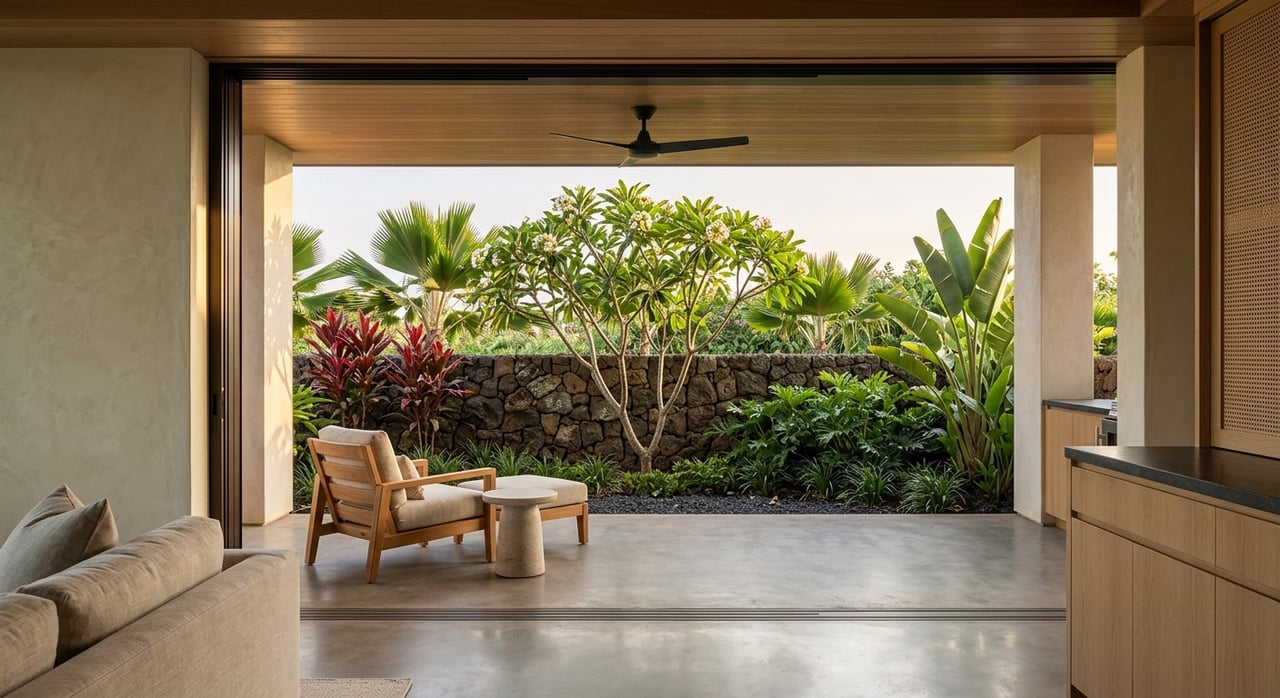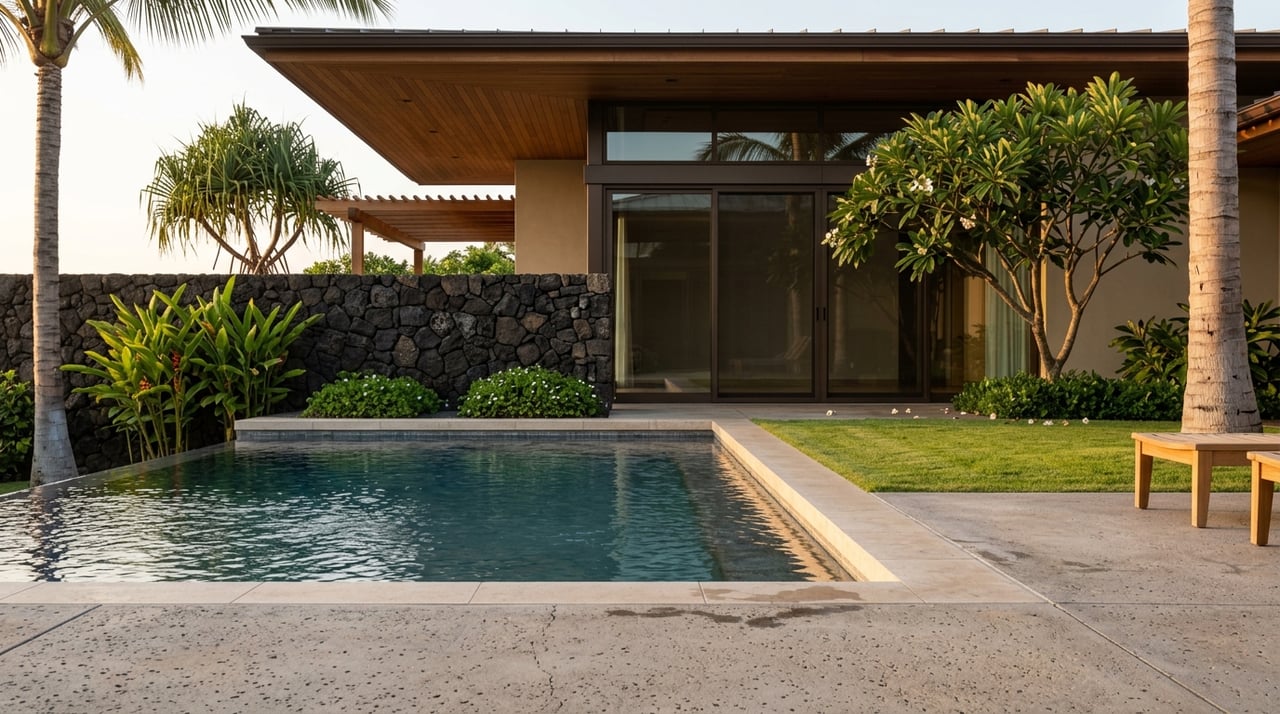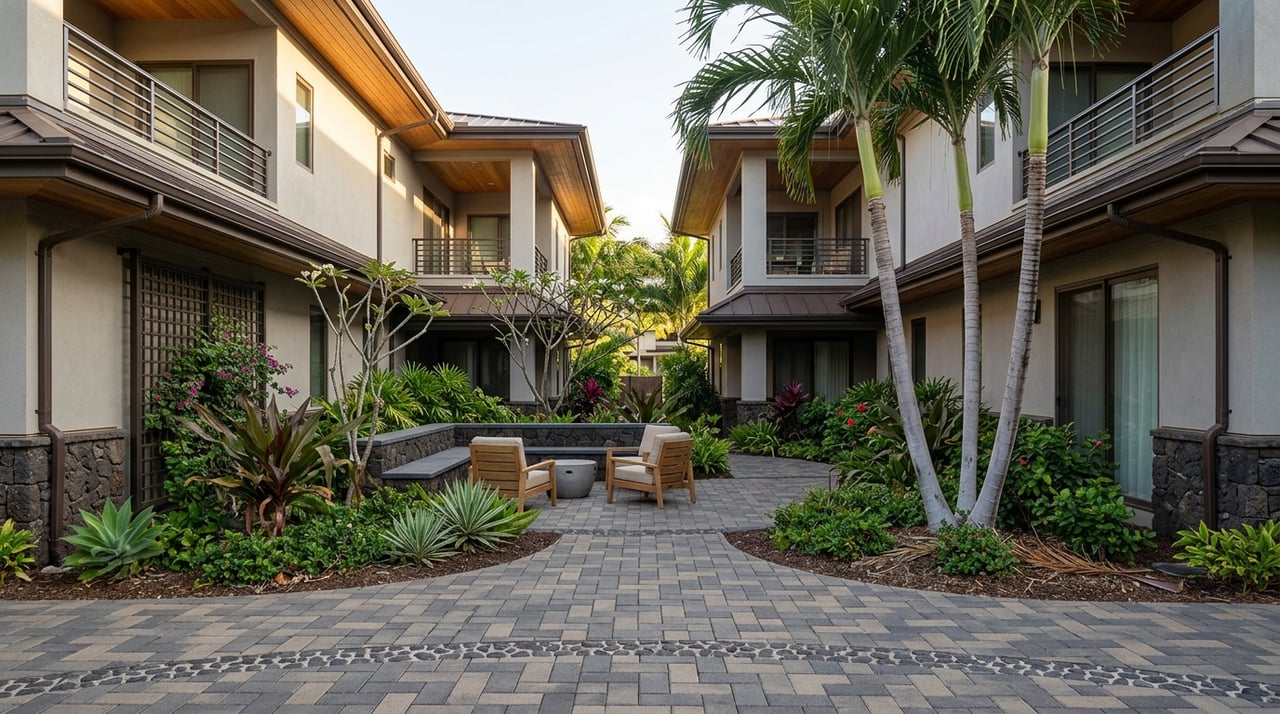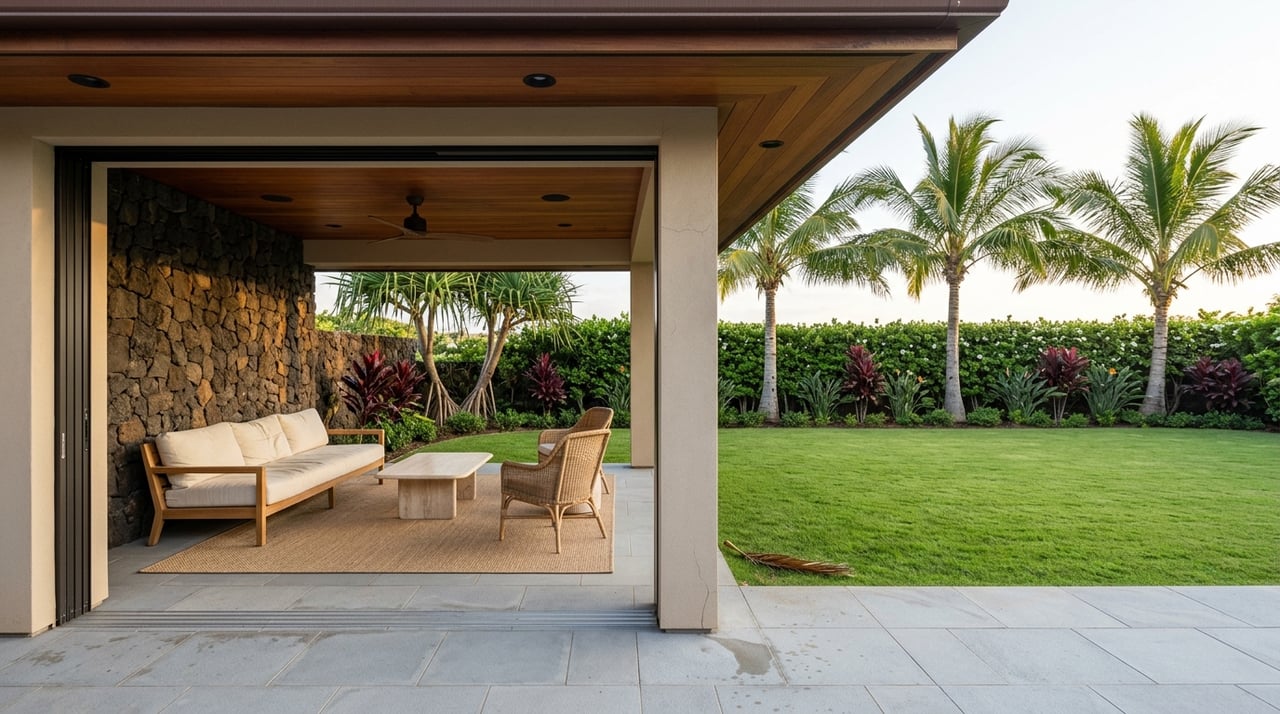
Thinking about buying in Hualālai because you want more than a luxury home? That makes sense. In this resort market, your decision is not just about square footage or finishes. It is about club access, ownership structure, view corridors, and how the property will actually work for you over time. If you are considering a golf estate home in Hualālai Resort, this guide will help you focus on the details that matter most. Let’s dive in.
Why Hualālai Stands Apart
Hualālai Resort is not a typical golf community. It is a private resort setting on the North Kona Coast in Ka‘ūpūlehu, about a half-hour from Kailua-Kona, under 15 minutes from Kona International Airport, and less than 20 minutes from Kings’ Shops. That location makes it convenient, but the real distinction is how tightly the resort lifestyle is woven into ownership.
Golf is central here. The Hualālai Golf Course is the first Jack Nicklaus design on Hawai‘i Island, and the resort also includes the private Ke‘olu Course for Hualālai Club Premier Members and their guests. That means when you buy in Hualālai, you are buying into a very specific golf-forward environment, not simply a home near a course.
The market is also relatively limited in size. The resort includes about 185 single-family homes on 865 acres and 193 condominium villas in 13 communities. In a market with that kind of scale, exact location, orientation, and access rights can carry as much weight as the home itself.
Know the Two Ownership Types
One of the first things you should confirm is whether the property is a single-family home or a condominium villa. In Hualālai, that difference matters more than many buyers expect.
Some buyers assume a detached residence is always a traditional single-family property. That is not always true here. Certain detached homes are sold under condominium ownership, which can affect maintenance responsibilities, governing documents, and how the property is structured legally.
In practical terms, your golf estate purchase may fall into one of these categories:
- A detached single-family home
- A condominium villa
- A detached villa sold under condominium ownership
That is why ownership form should be verified early in escrow. If you are buying remotely from the mainland, this step becomes even more important because the way a property looks in photos may not tell you how it is legally owned.
Golf Frontage Means Different Things
Not all golf estate homes in Hualālai offer the same experience. Two homes may both be described as golf frontage, but they can feel very different once you look at fairway position, elevation, privacy, and sightlines.
Across the resort, examples include homes and villas overlooking the 4th, 6th, 8th, 9th, 14th, 15th, and 16th fairways or tee boxes. Some properties combine golf views with ocean horizons, Maui views, Hualālai Mountain views, or sunset exposure. Others may sit on a wider lot or have an orientation that creates a more open feel.
Because Hualālai rises from sea level to about 225 feet and has varied topography, orientation matters. A property’s real value may depend on what you see from the lanai at different times of day, how the wind moves through the lot, and how much privacy you have from neighboring homes or golf-cart activity.
What to Inspect in Person
If possible, you should inspect a golf estate home beyond the showing itself. A map or listing description is helpful, but it does not replace seeing how the property lives.
Focus on details like these:
- The actual fairway and ocean sightline
- Morning and afternoon sun exposure
- Tradewind flow across lanais and outdoor spaces
- Privacy from nearby homes, paths, or cart traffic
- Landscaping that may frame or limit views over time
For many buyers, especially second-home owners, this is where local guidance becomes valuable. Small differences in lot position can shape your day-to-day experience in a major way.
Club Membership Is a Key Diligence Item
For many Hualālai buyers, club access is part of the appeal. Still, it is important not to assume that purchasing a home automatically includes membership.
The resort states that Hualālai Club membership is available exclusively to residents of Hualālai Resort and includes access to amenities such as two championship golf courses, the tennis club, sports club and spa, the Hualālai Club, the Residents’ Beach House, the Ke‘olu Clubhouse, and beach and swimming facilities at the Four Seasons Resort Hualālai. At the same time, resale-market language makes clear that membership is not included with the purchase of a property and that buyers should review the membership plan and governing documents during escrow.
That means you should verify several points directly before closing. Do not rely on assumptions, past owner experience, or broad marketing language.
Membership Questions to Ask Early
Before you move forward, confirm:
- Whether the property is eligible for membership
- Whether membership transfers automatically, separately, or not at all
- What dues, fees, or initiation obligations apply
- Whether your intended use of the home aligns with access rules
- Whether guest and rental guest access differs from owner access
This is especially important if golf is one of your main reasons for buying. Access to the resort course and access to the member-focused Ke‘olu Course are not the same thing.
Guest Access and Rental Use Matter
If you plan to host family and friends or use the property as a second home, guest access deserves close attention. Hualālai’s official golf information says the Hualālai Golf Course is available to club members, their registered guests, registered rental guests, and Four Seasons guests. The private Ke‘olu Course is reserved for Premier Members and their guests.
That distinction can shape how you use the property. If you expect visiting family to enjoy golf and club amenities in a certain way, you will want those rules clearly understood before you buy.
Some member-only amenities may stay restricted even when a home participates in a resort rental program. So if rental flexibility or hosting is part of your plan, your diligence should include both membership terms and guest-use rules.
Understand Hualālai’s Ownership Logistics
Owning in Hualālai comes with operational rules that are more structured than in many non-resort neighborhoods. For some buyers, that is part of the appeal because it supports order, privacy, and controlled access. Still, it also affects how maintenance and improvements get done.
The Hualālai Community Association requires contractors, vendors, and property managers to obtain permits before work begins. Gate entry also requires vehicle and driver registration, current insurance, and a valid U.S. driver’s license. Property managers need a homeowner assignment form before receiving permits.
For absentee owners and second-home buyers, this is a major practical consideration. If you are not on island full-time, having trusted local support can make ownership much smoother.
Weekend Work Has Limits
Weekend work rules are another detail buyers should know ahead of time. Quiet weekend work requires special authorization, and Saturday work is limited to quiet indoor work with no heavy equipment or outdoor power equipment.
That means exterior projects, landscaping upgrades, pool work, and similar tasks may need more planning than you would expect in a mainland market. Timelines can depend not only on contractor availability, but also on permit and resort-access requirements.
Plan for Maintenance Before Closing
A beautiful golf estate home often comes with extensive outdoor living spaces, landscaping, pools, and systems that need regular attention. In Hualālai, planning for that care before closing can save you time and stress later.
The association also manages certain landscape and biosecurity issues, including coqui frog treatment in common areas and one-off residential removal when needed. Combined with vendor permit rules, this makes local coordination especially important.
Before you close, it helps to identify:
- Who will manage the property if you are away
- Which vendors are familiar with Hualālai access procedures
- How pool, landscape, and exterior maintenance will be scheduled
- What improvement projects may require longer lead times
For remote buyers, this is where a concierge-style local real estate team can add real value. You want a plan for ownership, not just a plan for purchase.
Review Shoreline and Flood Factors
For homes with ocean-facing or lower-lying positions, physical site review matters just as much as lifestyle fit. Hawaii County notes that shoreline setbacks are typically established early in permitting, and lots that abut the shoreline have a minimum 40-foot shoreline setback.
Flood review is also worth careful attention. State flood hazard tools use FEMA flood maps, but they also note that those tools do not identify every area subject to flooding and do not replace a survey or county floodplain review.
Smart Property Checks Before Closing
A prudent due-diligence review may include:
- Permit history
- Shoreline certification, if relevant
- Flood-zone review
- Confirmation of any shoreline setback issues
- Review of property-specific maintenance and access conditions
These checks help you understand not just the home you are buying, but the long-term limits and responsibilities that may come with it.
What Drives Value in Hualālai
In many markets, buyers compare homes mostly by price, size, age, and finishes. In Hualālai, value often turns on a different set of factors.
Scarcity matters because the inventory is limited. Exact lot placement matters because sightlines, privacy, and wind exposure can vary widely. Membership eligibility matters because resort access is a meaningful part of ownership for many buyers.
In other words, two homes with similar square footage may offer very different ownership experiences. That is why careful comparison is so important in this market.
How to Buy With Confidence
The best approach to buying a golf estate home in Hualālai is to match the property to your intended use. If you want a lock-and-leave second home, your priorities may center on villa structure, guest access, and management ease. If you want a legacy retreat for family use, you may care more about club privileges, fairway orientation, outdoor living, and long-term privacy.
Either way, the process is more detailed than simply choosing the prettiest home on the course. You want to confirm ownership form, understand membership rights, inspect the true view corridor, and line up the right local support before you close.
When you are ready to explore Hualālai with a local, concierge-level approach, connect with Jonathan Kiger for thoughtful guidance tailored to your goals on the Kona Coast.
FAQs
What should I verify first when buying a golf estate home in Hualālai Resort?
- First, confirm whether the property is a single-family home, a condominium villa, or a detached villa under condominium ownership, because that affects ownership structure and ongoing responsibilities.
Does buying a home in Hualālai Resort automatically include club membership?
- No. Buyers should verify membership eligibility, transfer terms, and any dues or fees during escrow because membership is not automatically included with every property purchase.
Can guests play golf at a Hualālai golf estate home?
- Guest access depends on the course and the access category. The Hualālai Golf Course allows certain registered guests and rental guests, while the Ke‘olu Course is reserved for Premier Members and their guests.
Why does view orientation matter for Hualālai golf homes?
- Orientation affects fairway views, ocean views, privacy, sun exposure, wind flow, and the overall feel of the property, so two golf-front homes can offer very different living experiences.
What maintenance rules should buyers know about in Hualālai Resort?
- Contractors, vendors, and property managers must follow permit and gate-access rules before work begins, and some weekend work is restricted, which can affect scheduling for repairs and improvements.
Should I review shoreline or flood issues before buying in Hualālai?
- Yes. For ocean-facing or low-lying properties, buyers should review permit history, shoreline setback considerations, and flood-zone information before closing.